

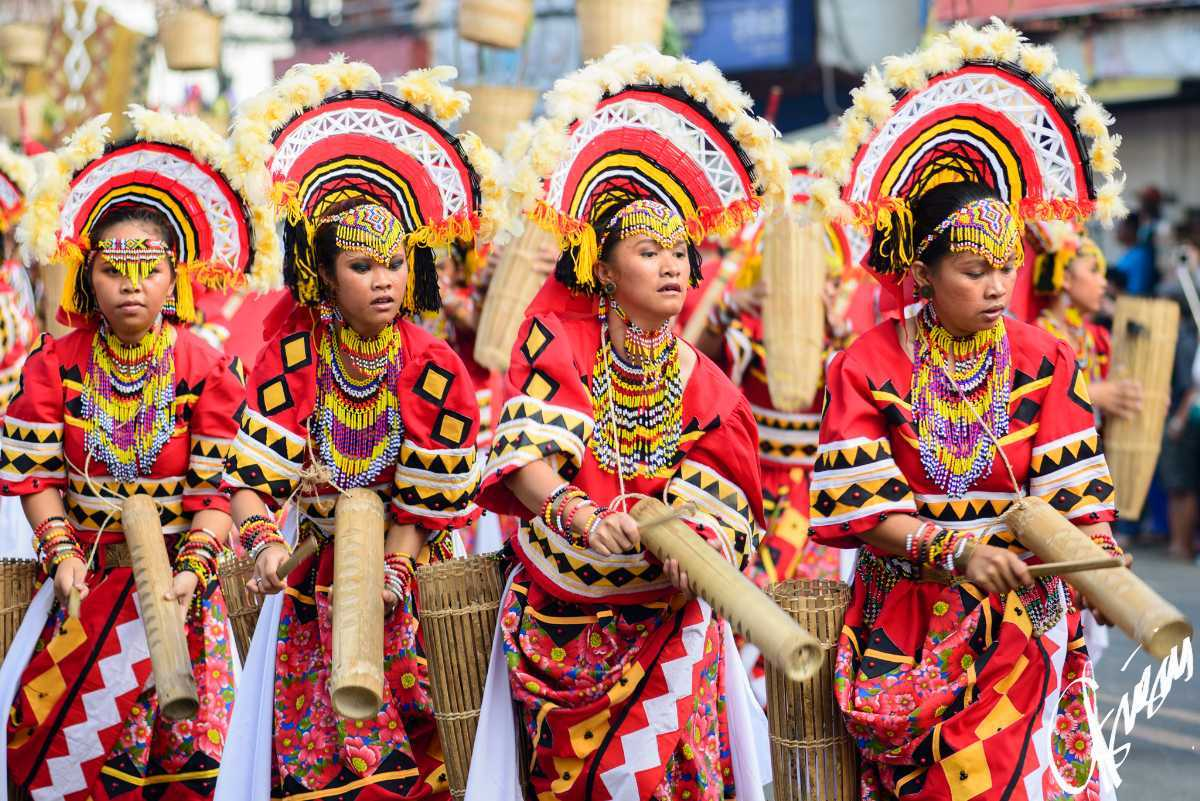
The Philippines is home to some of the most vibrant and colorful festivals in Southeast Asia. From the thundering drums of Sinulog in Cebu to the flower-covered streets of Pahiyas in Lucban, every province has its own celebration worth attending. Millions of visitors travel across the country each year to experience these events. If you plan to join them, knowing how to get there is the first step.
This guide explains the most practical ways to reach the top festivals in the Philippines, whether you are traveling from abroad or from another part of the country.
The Most Popular Festivals in the Philippines
Before planning your trip, it helps to know which festivals attract the biggest crowds and where they take place.
Sinulog Festival happens every third Sunday of January in Cebu City. It honors the Santo Nino and draws millions of devotees and tourists each year.
Ati-Atihan Festival takes place in Kalibo, Aklan every January. People paint their faces and dance through the streets for days.
Panagbenga Festival runs through February in Baguio City. It features floats decorated with fresh flowers and street performers.
Pahiyas Festival is held on May 15 in Lucban, Quezon. Residents decorate their homes with colorful rice wafers and harvested crops.
MassKara Festival takes place every October in Bacolod City. It is known for smiling masks and lively street parties.
Kadayawan Festival happens in Davao City every August. It celebrates the harvest season and the cultural heritage of indigenous groups in Mindanao.
Each of these festivals takes place in a different region, so your travel route will depend on which one you want to attend.
How to Travel to Festival Destinations
Getting to the festivals in the Philippines requires some planning, especially since many locations involve island hopping or long overland routes. The good news is that transportation options are widely available and affordable.
By Air
Flying is the fastest way to reach most festival destinations. The Philippines has several major airports outside Manila, including Mactan-Cebu International Airport, Francisco Bangoy International Airport in Davao, and Kalibo International Airport in Aklan. Budget airlines like Cebu Pacific, AirAsia, and Philippine Airlines operate regular domestic flights from Manila and among themselves.
For Sinulog, fly directly to Cebu. For Ati-Atihan, fly to Kalibo. For MassKara, fly to Bacolod. Book flights at least two months in advance during festival season because seats sell out fast.
For international travelers, Manila’s Ninoy Aquino International Airport is the main entry point. From there, you can connect to any domestic destination.
By Sea
Ferry travel is a popular and scenic option in the Philippines. Major ferry operators like 2GO Travel and Starlite Ferries connect Manila to Cebu, Davao, Bacolod, and other ports. The ferry ride from Manila to Cebu takes around 22 hours. This option works well for travelers who enjoy a slower pace or want to bring more luggage without paying extra airline fees.
For shorter inter-island trips, bangkas (small outrigger boats) and fast crafts operate between nearby islands. If you plan to attend Sinulog and also want to visit Bohol, a fast ferry connects the two within two hours.
By Bus
Bus travel works well for festivals located on Luzon, the main island. Baguio City, where Panagbenga is held, is about five to six hours from Manila by bus. Several bus companies, including Victory Liner and Genesis Transport, depart regularly from Cubao and Pasay terminals.
Lucban in Quezon, the site of the Pahiyas Festival, is about three to four hours from Manila by bus. You can take a bus to Lucena City and then ride a jeepney to Lucban.
By Private Vehicle
Renting a car or hiring a van is a good choice for groups or families. It gives you flexibility in your schedule and lets you stop at smaller towns along the way. Car rental services are available at most airports and in major cities.
Many festival-goers who use platforms and travel communities online have discovered useful local tips for booking rides and accommodations. Sites, apps, and local groups often share real-time updates about road closures, event schedules, and crowd management. Experienced travelers, after long festivals, often seek relaxation on online platforms like PHWIN88 for some leisure gambling. Additionally, many use community forums to share their personal experiences and insights from their festival travels. These platforms are invaluable resources for first-time attendees, helping them better plan their trips by offering tips on the best routes, accommodations, and must-see events.
By Jeepney and Tricycle
Once you arrive at your destination, jeepneys and tricycles are the most common forms of local transport. In smaller towns like Lucban or Kalibo, tricycles take you directly to the festival grounds. In larger cities like Cebu or Davao, jeepneys, taxis, and ride-sharing apps like Grab are all available.
Planning Your Festival Trip
Arriving at a festival without any preparation can lead to frustration. Here are some direct tips to help your trip go smoothly.
Book Early
Hotels, hostels, and guesthouses near festival venues fill up months in advance. If you plan to attend Sinulog or Ati-Atihan, secure your accommodation by October at the latest. Prices also rise significantly during peak festival weeks.
Check the Exact Dates
Some festivals span several days or even weeks. Panagbenga Festival, for example, runs for the entire month of February. The grand float parade happens on the last Sunday of the month. Knowing the exact date of the main event saves you from arriving too early or too late.
Travel Light
Festival crowds are dense and streets get packed quickly. Carrying a large suitcase through a street parade is difficult. A small backpack with your essentials works much better.
Use Public Transport on Festival Days
Roads near festival venues often close to private vehicles on the main event day. Public transport like jeepneys and tricycles can still get through. Walking is often the best option if your accommodation is nearby.
Bring Cash
Street vendors, food stalls, and small souvenir shops at Philippine festivals rarely accept cards. ATMs near festival areas run out of cash quickly. Withdraw money a day before the event.
What to Expect When You Arrive
Philippine festivals are loud, crowded, and full of energy. Streets fill with dancers, musicians, and spectators starting early in the morning. Parade routes stretch for several kilometers and performances can last all day.
Food is a big part of every festival. Local dishes like lechon (roasted pig) in Cebu, piaya (flatbread) in Bacolod, and longganisa (local sausage) in various regions are sold everywhere during celebrations.
Security is generally strong at major festivals. Police and local government units manage crowd flow and post officers along parade routes. However, keeping your belongings close is still important in dense crowds.
For first-time visitors, joining a tour group is a good option. Several travel agencies in Manila and Cebu offer festival tour packages that include transportation, accommodation, and guided city tours alongside the main event.
Pros and Cons of Attending Philippine Festivals
Pros
- You experience authentic Filipino culture up close.
- Food, music, and art are all on display in one place.
- Festivals are welcoming to tourists and foreigners.
- Many events are free to attend.
- Public transport during festivals is frequent and affordable.
Cons
- Crowds can be overwhelming, especially near parade routes.
- Accommodation prices rise significantly during festival weeks.
- Traffic and road closures affect travel times.
- Some festivals coincide with the rainy season, especially those held from June to October.
- Petty theft is more common in crowded areas.
Final Thoughts
The festivals in the Philippines offer experiences that are hard to find anywhere else. Each one reflects the history, faith, and creativity of its local community. Getting there requires some advance planning, but the effort is worth it once you are standing in the middle of a parade street surrounded by color and sound.
Whether you fly, sail, or take a bus, the journey to a Philippine festival is part of the adventure. Start planning early, pack light, and prepare to enjoy one of the most festive cultures in Asia.
