
Ensuring Quality: The Inspection Process
So, you’ve found a used optic that looks pretty good online, maybe even a sweet deal. But how do you really know it’s not a dud? It’s not like you can just pull it out of the box and give it a spin at the range before you buy, right? That’s where a good inspection comes in. When you’re looking at a used piece of gear, especially something as important as an optic, you gotta check it over. Think of it like buying a used car – you wouldn’t just hand over the cash without kicking the tires and looking under the hood. The same goes for scopes and red dots.
Verifying Glass Integrity
First things first, let’s talk about the glass. This is what you’re actually looking through, so it needs to be clear. You’re looking for any deep scratches that might mess with your sight picture. Tiny little cleaning marks, the kind you get from wiping it down with a less-than-perfect cloth, are usually okay. They’re mostly cosmetic. What you really want to avoid are any chips or cracks. Also, check the coatings on the lenses. If they look worn off in spots, that could mean the optic wasn’t cared for properly, and that’s not a great sign. Good glass should be clear and free of major defects.
Checking Turret Tactility
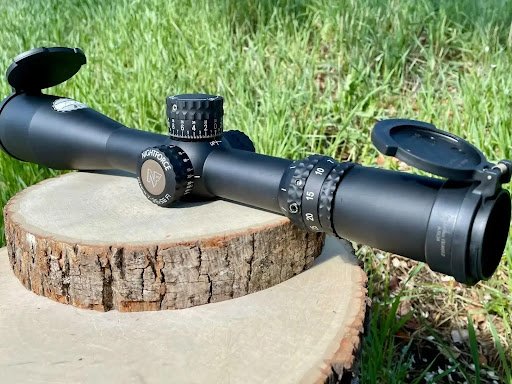
Next up are the turrets – those little knobs you use to adjust your aim. On a quality scope, when you turn them, you should feel and hear a distinct ‘click.’ It’s like a little confirmation that everything inside is working right. If the turrets feel mushy, or if the clicks are weak or inconsistent, that could be a sign that the internal mechanisms are worn out. This is super important for scopes that you need to track accurately, like for long-range shooting. You don’t want your adjustments to be a guessing game.
Assessing Tube Integrity
Now, take a good look at the main body, or tube, of the optic. You’re checking for any damage that could affect its function. Sometimes, when a scope is mounted or unmounted, the rings can leave marks. Minor ring marks, maybe a little bit of shiny metal showing through, are usually fine. They’re just cosmetic. But you want to make sure the tube itself isn’t bent or crimped. If the tube is damaged, it can throw off the internal alignment of the scope, and that’s a big problem for accuracy. Also, check that all the seals look good, especially on scopes that are supposed to be nitrogen-purged or waterproof.
Confirming Authenticity
This is a big one, especially with popular brands. There are a lot of fakes out there, and they can be pretty convincing. You need to make sure you’re not buying a counterfeit. Check the markings on the optic – are they crisp and well-defined, or do they look a bit off? Look for a serial number and, if possible, try to verify it with the manufacturer. Reputable dealers will often do this for you. If a deal seems too good to be true, it probably is. Counterfeit optics might look okay at first glance, but they’ll likely fail when you actually need them.
To buy used optics doesn’t have to be a gamble. By paying attention to these key areas – the glass, the turrets, the tube, and the authenticity – you can significantly reduce the risk of ending up with a subpar piece of equipment. A little bit of careful inspection goes a long way in making sure your used optic performs as it should.
Leveraging Manufacturer Warranties
Understanding Transferable Warranties
One of the biggest perks of buying used optics, especially from reputable brands, is the warranty. Many top-tier manufacturers don’t tie their guarantees to the original buyer. Instead, the warranty follows the product itself. This is a huge deal because it means a used optic you pick up could still be covered by the manufacturer if something goes wrong. It’s like getting a built-in safety net that significantly lowers the risk of buying pre-owned gear. Always check the specific brand’s policy, but you might be surprised how many offer this.
Vortex Optics’ VIP Warranty
Vortex Optics has a warranty that’s pretty legendary in the shooting community. It’s called the VIP Warranty, and it stands for “Very Important Protection.” Basically, if one of their optics breaks, for any reason, they’ll fix it or replace it. It doesn’t matter if you bought it new, used, or if you’re the third owner – they don’t ask for a receipt. This kind of commitment makes buying a used Vortex scope a really smart move. You get that premium performance without the worry of it being a “lemon” that you’re stuck with.
Leupold and Nightforce Guarantees
Leupold and Nightforce are two other brands known for their solid optics and their commitment to customers. Both offer what’s essentially a full lifetime guarantee on their products. This means that as long as the optic is still around, they stand behind it. If a part fails or something isn’t working right, they’ll take care of it. This kind of long-term backing is a big reason why buying used scopes from these brands is such a good idea. You’re not just buying a piece of equipment; you’re buying into a brand that believes in its products enough to guarantee them for life, no matter who owns them.
Here’s a quick look at what some major brands offer:
| Brand | Warranty Type | Transferable? | Notes |
| Vortex | VIP Lifetime | Yes | No questions asked, covers all damage. |
| Leupold | Full Lifetime | Yes | Covers defects and accidental damage. |
| Nightforce | Limited Lifetime | Yes | Covers defects in materials and workmanship. |
| Trijicon | Limited Lifetime | Often Yes | May require proof of purchase for some issues. |
Remember to always check the specific warranty details for the exact model you’re interested in, as policies can sometimes vary or be updated by the manufacturer.
Why Used Optics Prove Their Worth
When you’re putting together a rifle, the optic is often the biggest investment. It’s easy to get caught up in the idea of buying everything brand new, but honestly, that’s not always the smartest move. High-quality optics are built tough, like tanks. They’re designed to handle some serious abuse, whether that’s on a hunting trip in rough terrain or during a long day at the range. So, when you buy used, you’re not just getting a lower price; you’re often getting a piece of gear that’s already proven itself.
Avoiding the “Lemon” Factor
Sometimes, even brand-new items have issues right out of the box. It’s rare, but it happens. A used optic, on the other hand, has likely already been mounted and used. If there was a factory defect, the previous owner probably would have found it and dealt with it already. This means you’re less likely to end up with a dud. It’s like buying a used car that’s already passed its initial inspection – you’ve skipped the early, potentially problematic phase.
Recognizing Built-to-Last Construction
Think about it: companies that make top-tier optics aren’t cutting corners. They use robust materials and engineering to make sure their products can take a beating. Minor cosmetic stuff, like a few scuffs on the body or “safe kisses” from being stored, doesn’t usually affect how the optic actually works. The internal mechanisms, the seals that keep out moisture and fog – these are built for the long haul. Buying used means you’re getting that same high-quality construction, just without the new-item price tag.
The Superiority of Pre-Owned Gear
It’s a bit of a misconception that “used” automatically means “worn out.” For many high-end optics, especially those from reputable brands, “used” simply means it’s been owned and possibly used lightly. Often, you’ll find optics that have spent most of their life in a safe, barely touched. These are the real gems. You get the benefit of professional-grade glass and reliable tracking systems that have already passed their initial “infant mortality” phase. It’s a smart way to get top performance without paying for the depreciation that happens the moment something is unboxed.
Here’s a quick look at what makes used gear a solid choice:
- Proven Durability: The optic has already survived its initial use period.
- Cost Savings: You avoid the steepest part of the depreciation curve.
- Reliability: You’re likely getting a piece of equipment that has already been tested in the field.
- Performance: You can afford higher-end models that might be out of reach when buying new.
Matching Used Optics to Your Mission
Not all firearm optics are created equal, and what works for one shooter might not be the best fit for another. When you’re looking at used gear, especially from places like RKB Armory, figuring out the right optic for your specific needs is key. It’s not just about getting a good deal; it’s about getting the right tool for the job.
For the Tactical Shooter
If you’re in the tactical world, you need gear that can take a beating and keep working. Think Aimpoint or Trijicon red dots. These are built tough, often to military standards, meaning they can handle rough handling, bumps, and maybe even a drop or two. They’re designed for quick target acquisition in stressful situations. You’re looking for something reliable that won’t quit when you need it most. A used Aimpoint PRO or a Trijicon RMR, for example, can offer that battle-tested performance without the brand-new price tag.
For the Precision Rifle Competitor
Precision shooting demands accuracy and often requires magnification. For competitors, especially as we move through 2026, looking at used First Focal Plane (FFP) scopes is a smart move. As newer models come out, high-end scopes like a used Nightforce ATACR or a Vortex Razor HD Gen II or III can become available at much lower prices. These scopes offer excellent clarity, precise adjustments, and the magnification needed for those long-range shots. The key here is finding a scope with turrets that track accurately and glass that remains clear under magnification.
For the Hunter
When you’re out in the field, weight can be a big factor, along with glass quality for spotting game. Used European glass from brands like Swarovski or Zeiss can be an incredible find. Hunters often take very good care of their equipment, so you can frequently find optics that are practically new but at a fraction of the original cost. Look for scopes with good light-gathering capabilities for dawn and dusk hunting. A used Swarovski Z5 or a Zeiss Conquest V4 can provide that premium hunting experience without breaking the bank.
Navigating the Used Optics Market Safely
Buying used optics can save you a good chunk of change, but it’s not without its risks. The market is flooded with fakes, and some sellers aren’t exactly upfront about an optic’s condition. You really need to know what you’re looking for to avoid getting ripped off.
The Risk of Counterfeit Optics
This is a big one. Counterfeit optics look a lot like the real deal, but they’re made with cheap parts. This means blurry images, turrets that don’t track right, and a scope that won’t hold zero. In a critical situation, this kind of gear can fail you when you need it most. It’s not just about wasting money; it’s about safety and performance.
- Always be suspicious of prices that seem too good to be true. If a high-end scope is going for half of what it usually sells for used, something’s probably not right.
- Counterfeiters sometimes use real serial numbers. They might get these from damaged or stolen genuine products. So, just checking the serial number isn’t enough. You still need to do a thorough physical inspection.
- No brand is completely safe. While some are targeted more than others, you have to assume any optic could be a fake until you’ve verified it.
The best way to avoid fakes is to buy from dealers who specialize in used optics and have a solid reputation. They usually have processes in place to authenticate their gear.
Identifying Price and Seller Red Flags
Beyond the obvious fakes, you also need to watch out for sellers who aren’t honest about the condition of the optic. A little wear and tear is normal for used gear, but some issues can seriously impact performance.
Here’s what to look out for:
- Price: As mentioned, if the price is way below market value, be very careful. This is often the first sign of a problem.
- Seller Reputation: On online marketplaces, check the seller’s feedback. Look for consistent positive reviews. If they have a lot of negative feedback or a very new account with few sales, proceed with caution.
- Photos and Descriptions: Are the photos clear and detailed? Do they show the actual item, not just stock photos? Does the description honestly detail any flaws, like scratches on the lenses, issues with the turrets, or problems with the illumination?
- Communication: A seller who is evasive, slow to respond, or unwilling to provide more information or photos is a red flag.
The Importance of Reputable Dealers
Buying from a dealer who focuses on used optics can take a lot of the guesswork out of the process. These dealers often have their own inspection procedures to check for authenticity and functional issues. They might also offer their own warranty or return policy, giving you an extra layer of security.
- Inspection Process: Reputable dealers will typically inspect the glass for scratches or coating damage, check the turret adjustments for tactile clicks, and assess the overall tube integrity. They’ll also try to verify authenticity.
- Warranties and Returns: Many dealers offer a return period, allowing you to send the optic back if you’re not satisfied. Some even offer their own limited warranty on used items.
- Expertise: These dealers know optics. They can often spot fakes or issues that an average buyer might miss. They can also provide honest condition reports so you know exactly what you’re getting.
Frequently Asked Questions
Why is buying used optics a good idea?
Buying used optics is a smart way to get top-quality gear without paying the full new price. You can often find great deals on brands that might be too expensive if bought new. Plus, high-quality optics are built tough, so a used one has likely already proven it can handle tough conditions.
How can I be sure a used optic isn’t broken or fake?
It’s important to buy from sellers who check their products carefully. Reputable dealers inspect things like the glass for scratches, the adjustment knobs to make sure they click properly, and the overall body for damage. They also work to make sure the optic is the real deal and not a copy.
Do used optics still come with a warranty?
Many great brands offer warranties that stay with the product, not just the first owner. This means even if you buy a used scope, it might still be covered if something goes wrong. Always check the specific brand’s warranty policy.
What’s the difference between ‘used’ and ‘refurbished’ optics?
A ‘used’ optic was simply owned and used by someone before. A ‘refurbished’ optic might have had a major problem and was sent back to the factory to be fixed. Many people prefer ‘used’ because it means the optic likely didn’t have a huge issue in the first place.
Are there specific types of used optics for different shooting needs?
Yes! For tactical shooting, look for tough brands like Aimpoint or Trijicon. If you’re into precision shooting, older high-end scopes from brands like Nightforce or Vortex can be great finds. For hunting, lighter European brands like Swarovski or Zeiss are often well-cared for and available used.
What are some signs that a used optic deal might be too good to be true?
If the price seems way lower than what similar used optics usually cost, be suspicious. Also, be careful of sellers who don’t provide clear pictures, don’t answer questions honestly, or have bad reviews. Always buy from trusted sources when possible.
