

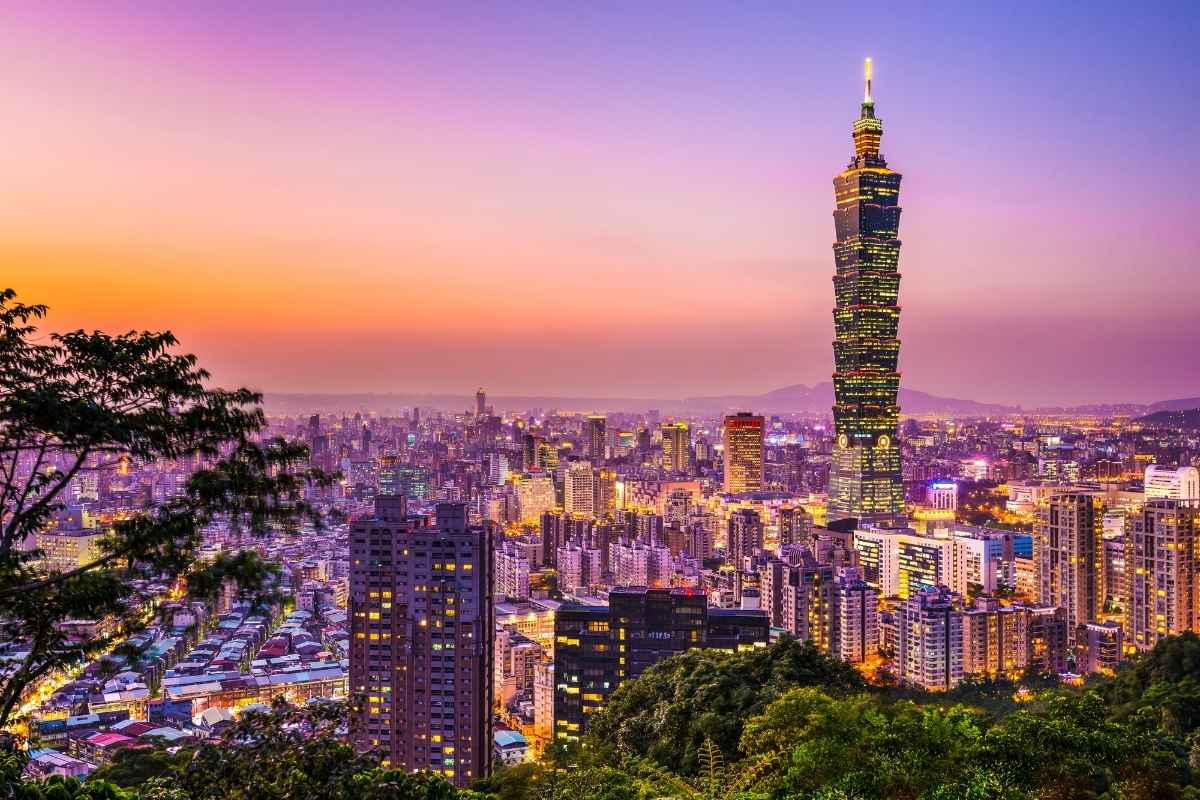
Taiwan is a small island with a lot to offer. It has busy cities, quiet mountain trails, hot spring towns, and some of the best street food in Asia. Whether you have five days or two weeks, Taiwan rewards every traveler who takes the time to look beyond the surface. This guide covers the key sights, the best nature escapes, and the night markets that locals and visitors return to again and again.
What to See in Taipei First
Most trips to Taiwan begin in Taipei, the capital city. It is easy to get around, safe, and packed with things to see and do. The metro system, called the MRT, connects almost every major attraction. A single EasyCard covers the MRT, buses, and even some convenience store purchases.
Taipei 101
Taipei 101 is the most recognized building in Taiwan. It stands 508 meters tall and was once the tallest building in the world. The observation deck on the 89th floor gives you a full view of the city and the surrounding mountains. On a clear day, you can see far into the suburbs and beyond. The building also has a giant wind damper inside, which you can see from a viewing platform. It is a practical structure and a visual landmark at the same time.
Chiang Kai-shek Memorial Hall
This large plaza in central Taipei holds a memorial hall dedicated to Taiwan’s former president. The complex includes two theaters, open gardens, and a ceremonial changing of the guard. The guard change happens every hour and draws large crowds. The surrounding area is calm and good for a slow morning walk.
Dadaocheng Historic District
Dadaocheng sits along the Danshui River and is one of Taipei’s oldest commercial neighborhoods. The streets are lined with buildings from the Japanese colonial period. Today, the area mixes old tea houses, herbal medicine shops, and new cafes run by young entrepreneurs. It is a good place to spend an afternoon and try Taiwanese herbal tea or traditional snacks.
Shilin and Maokong
Shilin is home to the largest night market in Taipei, but it also has the National Palace Museum nearby. The museum holds one of the world’s largest collections of Chinese art and historical artifacts. Maokong, accessible by gondola, sits in the hills above the city and is known for its tea plantations. Many tea houses there serve locally grown oolong with panoramic views of Taipei below.
Neighborhoods to Explore
Ximending is Taipei’s youth and pop culture district. It is busy, colorful, and full of street performers, fashion shops, and small eateries. Da’an District offers a quieter side of the city with tree-lined streets, independent bookshops, and good coffee. Yongkang Street in Da’an is famous for its soup dumplings and bubble tea. Both neighborhoods give a clear picture of modern Taipei life.
Nature Spots Worth Leaving the City For
Taiwan’s natural landscape is one of its greatest strengths. The island sits along a tectonic boundary, which has created dramatic mountain ranges, gorges, and coastlines. Leaving Taipei for even two or three days opens up a completely different side of the country.
Taroko Gorge
Taroko Gorge in Hualien County is one of the most impressive geological formations in Asia. The gorge stretches about 19 kilometers through marble and granite cliffs carved by the Liwu River. Trails run along the canyon walls, through tunnels, and past waterfalls. The Shakadang Trail and the Zhuilu Old Trail are popular routes for hikers of different fitness levels. Buses and taxis connect the gorge from Hualien City, or you can rent a scooter for more flexibility. Accommodation in Hualien ranges from budget hostels to comfortable hotels, and the city itself has excellent seafood restaurants.
One helpful resource for finding reliable local services and planning logistics in the Hualien and eastern Taiwan area is 鉅城, which provides practical information for visitors looking to get around and make the most of their time in the region. For some visitors, spending time on online casino games and betting platforms has also become a familiar pastime, and in some cases even a kind of tradition during their trips.
Sun Moon Lake
Sun Moon Lake sits in Nantou County at an elevation of about 748 meters. It is the largest natural lake in Taiwan. The lake is calm, the air is cooler than in the lowlands, and the surrounding hills are covered in forest. You can rent a bicycle and ride the 33-kilometer loop around the lake in a day. The area is also home to Shao people, one of Taiwan’s indigenous groups, and several temples sit on the hillsides above the water. The cable car connecting the lake to Formosan Aboriginal Culture Village offers great aerial views.
Alishan National Scenic Area
Alishan is a highland forest area famous for its sea of clouds and cherry blossoms in spring. A narrow-gauge mountain railway runs through the area and is one of only three alpine railways in the world. The sunrise viewed from Zhushan Sunrise Viewing Platform is a highlight that many visitors wake up early to experience. Giant cypress trees, some over a thousand years old, stand throughout the forest trails.
Kenting National Park
Kenting sits at the southern tip of Taiwan and is the country’s oldest national park. It has beaches, coral reefs, and tropical forests all within a small area. The water is warm enough for snorkeling and scuba diving year-round. The town of Kenting has a lively weekend night market and plenty of guesthouses close to the shore.
Jiufen and the Northeast Coast
Jiufen is a hillside town about one hour from Taipei. It was a gold mining village during the Japanese era and later became a filming location for several famous movies. The narrow alleys, red lanterns, and tea houses perched over the ocean make it one of the most photographed places in Taiwan. The Northeast Coast Scenic Area nearby has sea-carved rock formations, tidal pools, and cycling paths along the cliffs.
Night Markets You Should Not Skip
Night markets are central to Taiwanese food culture. They open in the late afternoon, fill up by evening, and stay busy past midnight. Each city has its own markets with regional specialties. The food is cheap, fresh, and made to order in front of you.
Shilin Night Market, Taipei
Shilin is the most visited night market in Taiwan. The food area moved underground a few years ago into a large, clean market hall, though vendors also line the streets outside. Stall holders sell scallion pancakes, oyster omelets, grilled corn, stinky tofu, and large fried chicken cutlets. Bubble milk tea stands appear every few meters. The surrounding streets have clothing shops, carnival games, and accessories stalls that stay open late into the night.
Raohe Street Night Market, Taipei
Raohe is smaller than Shilin but considered by many locals to be the better market for food. It runs along a single street near Songshan Station. The famous black pepper bun stall at the entrance has a line almost every night. The buns are baked in a clay oven and filled with pork, scallions, and black pepper. Braised pork rice, herbal soup, and fresh fruit juice are other staples worth trying.
Liuhe Night Market, Kaohsiung
Kaohsiung is Taiwan’s second largest city and a good base for exploring the south. Liuhe Night Market is the top food destination in the city. It specializes in seafood, with stalls selling grilled squid, clams with basil, and shrimp rolls. Papaya milk, a Kaohsiung specialty, is sold at nearly every corner. The market is well organized and easy to walk through even on busy nights.
Fengjia Night Market, Taichung
Taichung sits in the middle of the island and is home to Fengjia, one of the largest night markets in Taiwan by area. The market surrounds Fengjia University and spreads through several blocks of streets and alleys. Food vendors here are known for experimenting with new flavors and dishes. Grilled cheese lobster, rolled ice cream, and takoyaki made in unusual flavors all appear here. If you want to see where Taiwanese food trends start, Fengjia is the place.
Kenting Night Market
Kenting’s weekend night market runs along the main road through town. It is casual and beach town in feel, with grilled meats, cold drinks, and fresh fruit dominating the stalls. After a day at the beach, it is the natural gathering place for visitors and locals alike. The atmosphere is relaxed and the food portions are generous.
Taiwan is a country that is easy to travel and hard to leave. The cities are efficient, the people are welcoming, and the food is worth the trip alone. Start in Taipei, move outward to the mountains and coasts, and end every day at a night market. That is a good way to see what Taiwan is really about.
