

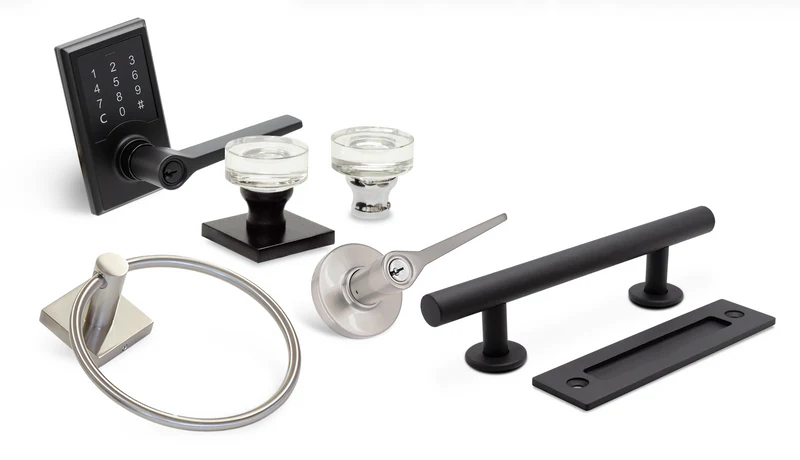
In premium interior projects, door hardware is rarely just a functional detail, it helps define how refined and cohesive the entire space feels. For interior designers specifying hardware, the right handles, pulls, and accessories can level up both aesthetics and usability.
This guide explains premium door hardware choices designers rely on most, so you can specify pieces that strengthen the overall design while remaining practical for everyday use.
Quick Answer
For premium interior projects, designers typically choose solid brass lever handles, statement pull handles, refined door knobs, and coordinated accessories such as hinges and escutcheons. Finishes like antique brass, bronze, matte black, and satin stainless steel remain the most reliable options for modern interiors.
Which premium door hardware choices create the strongest first impression?
Entrance hardware
The entrance door is one of the most important design moments in a home. Premium hardware such as large pull handles, solid brass levers, or distinctive backplate sets immediately communicates quality and attention to detail.
Statement pull handles
Statement pull handles are often used on front doors or oversized interior doors. These handles create a strong architectural presence and can act as a design feature rather than just a functional element.
Premium backplate sets
Lever handles on backplates provide a more traditional or transitional look while still feeling premium. They also allow designers to incorporate locking systems more seamlessly into the handle design.
Door furniture with substantial weight
Premium hardware often feels heavier and more solid when used. This tactile quality reinforces the perception of luxury and craftsmanship.
First-touch design impact
Door handles are one of the first elements people physically interact with in a space. When the hardware feels refined and comfortable, it enhances the overall impression of the interior.
Which door hardware works best for different interior design styles?
Minimal contemporary interiors
Minimal interiors benefit from slim lever handles, satin stainless steel finishes, and subtle hardware profiles. In these spaces, hardware should support the architecture rather than dominate it.
Warm modern interiors
Warm modern homes often feature materials such as timber, stone, and natural fabrics. Antique brass hardware complements these materials and introduces warmth without appearing overly decorative.
Classic contemporary spaces
Classic contemporary interiors combine modern layouts with more traditional detailing. Brass door knobs or lever handles on backplates often work well in these environments.
Boutique luxury interiors
Boutique-style interiors frequently use bronze finishes, textured hardware, and statement pull handles to create a distinctive visual identity.
Industrial-inspired schemes
Industrial interiors often rely onmatte black hardware or darker metal finishes to reinforce the design style while maintaining a clean, modern look.
Which premium finishes look most refined in designer-led projects?
Antique brass finishes
Antique brass is widely used in contemporary interiors because it introduces warmth and depth without appearing too polished. It works particularly well alongside wood, marble, and natural stone.
Bronze finishes
Bronze finishes create a darker and more dramatic look that suits luxury projects. They also age well over time, developing subtle variations in tone.
Matte black finishes
Matte black hardware remains popular in modern interiors, especially in minimalist or industrial-inspired homes. It creates a strong visual contrast and pairs well with neutral color palettes.
Satin stainless steel finishes
Satin stainless steel is a versatile option that suits modern interiors where designers prefer a neutral and durable finish.
When polished finishes still work
Highly polished finishes are less common in contemporary interiors but may still work in spaces with more formal or classic design elements.
| Finish | Visual Style | Best For | Strength | Watch Out For |
| Antique Brass | Warm and aged | Warm contemporary interiors | Hides wear well | May feel traditional in minimalist spaces |
| Bronze | Deep and rich | Luxury interiors | Strong visual depth | Can feel heavy in very light rooms |
| Matte Black | Modern contrast | Minimal and industrial interiors | Bold visual effect | Can feel overused |
| Satin Stainless Steel | Clean and neutral | Modern interiors | Very durable | Less warmth than brass tones |
Which types of premium hardware should interior designers specify beyond handles?
Hinges
Hinges are often overlooked, but visible hinges should match the finish of the door handles to maintain visual consistency.
Escutcheons and thumbturns
These small components cover keyholes or locking mechanisms and should be chosen carefully to match the overall hardware style.
Door stops and accessories
Premium interiors often include matching accessories such as door stops, door bolts, and door chains. These small details help maintain design consistency throughout the space.
Locks and latches
High-quality locks and latches ensure smooth operation and durability. They also influence how solid and secure a door feels.
Matching cabinet hardware
In many interior projects, designers coordinate door hardware with cabinet handles, cupboard knobs, and drawer pulls to create a consistent metal palette.
Where should designers use statement hardware and where should they stay subtle?
Entrance doors
Entrance doors often benefit from larger statement hardware such as oversized pull handles or distinctive lever handles.
Internal doors
Internal doors typically require more understated hardware so that it complements the architecture rather than drawing attention.
Bedroom suites
Bedrooms usually benefit from softer finishes such as antique brass or bronze that contribute to a comfortable atmosphere.
Bathrooms
Bathroom doors require hardware that is both durable and resistant to moisture.
Joinery and wardrobe areas
Wardrobes and built-in joinery often work best with subtle handles that integrate smoothly with cabinetry.
When does premium door hardware become a poor design decision?
Over-specifying hardware
In minimalist interiors, overly decorative handles can disrupt the clean lines of the architecture.
Choosing statement pieces for the wrong doors
Large pull handles may work well on entrance doors but can feel excessive on standard interior doors.
Ignoring ergonomics
Some handles may look attractive but feel uncomfortable in daily use. Ergonomics should always be considered.
Mixing too many finishes
Using too many metal finishes can create visual inconsistency in a space.
Prioritising trend over project fit
Not every trending finish suits every project. Hardware should always align with the overall design concept.
How do interior designers balance visual impact with practicality?
Before finalising premium door hardware, we typically consider the following factors:
Material Palette
We usually start by reviewing the overall material palette of the space. This includes flooring, cabinetry, wall finishes, lighting fixtures, and other metal elements.
The goal is to ensure that the chosen hardware finish, such as antique brass, bronze, matte black, or stainless steel, complements the wider design rather than feeling like an afterthought.
Architectural style and design intent
They also consider the architectural style and design intent of the project. In minimalist interiors, hardware is usually subtle and understated, while in more expressive or luxury spaces, it may act as a design feature.
Understanding whether the hardware should blend in or stand out is a key decision.
Functionality and traffic level
Another important factor is functionality and traffic level. High-use areas require more durable materials and finishes that can withstand frequent handling without showing wear. We also evaluate ergonomics, ensuring that handles feel comfortable and intuitive in daily use.
Consistency
Finally, we focus on consistency across all hardware elements, including hinges, locks, escutcheons, and cabinet fittings. Matching or coordinating these details helps create a cohesive and refined interior that feels well-considered from every angle.
What mistakes make premium hardware feel less premium?
Lightweight-looking selections
Hardware that feels lightweight can reduce the perceived quality of a space.
Poor finish coordination
Handles, hinges, and accessories should match or complement each other.
Cheap accessories with expensive handles
Mixing premium handles with low-quality accessories can weaken the overall result.
Inconsistent detailing between rooms
Using different hardware styles in every room can disrupt visual flow.
Ignoring tactile experience
Hardware that feels uncomfortable or poorly balanced can diminish the design experience.
How do you choose the right premium door hardware for an interior design project?
Step 1: Define the design style
Identify whether the project leans toward minimalist, luxury, or transitional design.
Step 2: Decide where hardware should stand out
Entrance doors or feature doors may use statement hardware.
Step 3: Select the finish family
Choose finishes such as antique brass, bronze, matte black, or satin stainless steel.
Step 4: Coordinate supporting hardware
Ensure hinges, locks, and accessories match the main hardware finish.
Step 5: Evaluate durability and comfort
Handles should feel comfortable and maintain their appearance with regular use.
Step 6: Maintain consistency
Consistent hardware choices help create a more cohesive interior design.
FAQs
Which hardware is best for interior design?
The best hardware for interior design depends on the project style, but designers often prefer solid brass, stainless steel, or bronze hardware because of their durability and premium feel.
Lever handles, coordinated accessories, and finishes like antique brass or matte black are commonly used in modern interiors.
What is a type of door hardware for an interior door?
Common types of interior door hardware include lever handles, door knobs, pull handles, hinges, locks, latches, and escutcheons. Lever handles are the most widely used in modern interiors due to their ergonomic design and compatibility with contemporary spaces.
How to choose interior door hardware finish?
To choose the right finish, consider the overall material palette, lighting, and other metal elements in the space. Finishes like antique brass, matte black, bronze, or satin steel should complement cabinetry, fixtures, and architectural style while also matching durability and maintenance needs.
What is the most durable hardware finish?
Satin stainless steel is often considered the most durable hardware finish because it resists corrosion, scratches, and heavy use. Other durable options include antique brass, bronze, and high-quality matte black finishes, which also hide fingerprints and wear effectively.
What are the latest trends in hardware?
Current hardware trends include antique brass and bronze finishes, matte black accents, slim lever handles, textured designs, and coordinated metal palettes. Designers are also focusing on minimalist forms and integrated hardware details that enhance modern interiors without adding visual clutter.
Conclusion
For most interior design projects, solid brass, bronze, or stainless steel door hardware in finishes such as antique brass, matte black, or satin steel offers the best combination of durability and visual appeal.
Before finalising the specification, consider how visible the hardware will be and how it interacts with the overall design palette. Well-chosen hardware helps reinforce the quality and coherence of a premium interior.
