

Living life as a 9-5 corporate worker is quite challenging. Waking up every day at the same time, following the same routine, and then going back to bed, only to repeat everything again the next day. It gets boring, too.
That’s why I live for the days when I can enjoy my vacations and travel to some new place. However, applying for leaves, packing up things, monitoring the budget, and then booking hotels is where I draw the line.
Don’t get me wrong; I love traveling, but I don’t have enough money or time.
So, what is the next best thing?
Yes, you have guessed it right, virtual tourism.
Now, I know this might sound like a gimmick at best, but in reality, it is a lifesaver for people like me. If you want to learn about virtual tourism and how it benefits people, then keep reading.
This write-up will focus on virtual tourism, its use, benefits, evolution over the years, and its future trends.
JUMP TO:
- What is Virtual Tourism?
- How Virtual Tourism Evolved
- What are Different Types of Virtual Tourism?
- What are Some Examples of Virtual Tourism?
- What are Advantages of Virtual Tourism?
- What are Disadvantages of Virtual Tourism?
What is Virtual Tourism?
In the world of the internet, it’s no surprise that people are now using the internet to travel the world.
How?
Well, virtual tourism offers a digital travel experience to any destination you want. The best thing is that you don’t have to leave your home, pay a hefty amount for a ticket, or apply for leave. You can literally experience everything with the help of your phone and a decent residential internet like Spectrum Internet.
The virtual tourism mainly utilizes technical components, i.e., audio, software, video, image, and narration, to create a travel experience.
So, is it just like watching a travel vlog on YouTube?
Well, travel vlogs focus more on video and audio, so there are no other senses involved. However, with virtual tour experiences, the traveler gets to experience an interactive presentation that is more realistic.
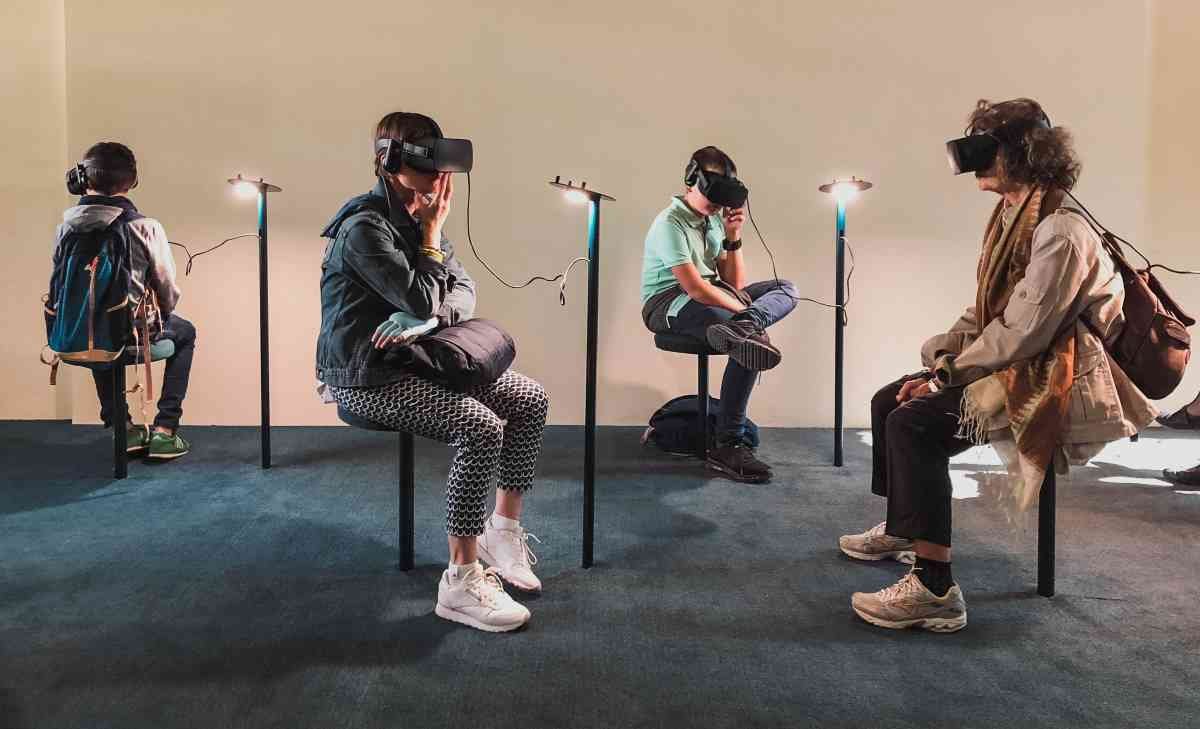
Within the advanced form of virtual tourism, the virtual traveler uses AR and VR gear. So, they are more focused on the overall travel experience.
How Virtual Tourism Evolved
The concept of virtual tourism might seem ancient, but it did not appear overnight. It evolved with time, improved with technology, and later became a necessity during the pandemic.
So, how did it all begin?
Virtual tourism started with panoramic photography, offering a 360-degree view to the traveler. Eventually, when technology evolved, these panoramic photos were stitched together to create visual tours. Real estate owners started using this technology to help their clients explore the property. Later, arts and culture lovers used this technology to explore different museums and cultural institutions.
These virtual tours helped the tourists to explore the place, learn about the artifacts, and experience the culture. Today, this technology is being used by the video gaming industry and, hospitality and tourism industry as well.
What are Different Types of Virtual Tourism?
Although virtual tourism has technology at its core but different types of virtual tourism are used for different purposes.
To offer you a perspective, here are some of the important types of virtual tourism:
360-Degree Tours
These tours are designed by sticking a series of panoramic pictures. It helps tourists get a 360-degree tour in all directions. They can interact by clicking on the image or icon to move to the next location.
3D Virtual Tours
Hyper-realistic and quite advanced, the 3D virtual tours are known as digital twins. These tours offer realistic tours that are fully navigable, so the tourist can enjoy a 3D experience in physical space. 3D tours offer in-depth measurement with spatial accuracy
Video-Based Tours
Video-based tours are quite common. They are just prerecorded videos of the destination that offer a 360-degree dynamic view. These videos come with basic narration along with music and some interactive, clickable elements for better control.
Virtual Reality (VR) Tours
Virtual reality tours offer a more immersive experience, making sure that tourist gets to enjoy the “being there” experience. These tours require a VR headset along with some high-tech experience.
Augmented Reality (AR) Tours
Augmented reality offers digital information along with historical reenactment and some other facts. Tourists enjoy a real worldview via VR on their phone or tablet very easily. Although these tours are less immersive but they are more interactive, which ensures a better learning experience.
Live Guided Tours
These tours are led by human guides and are hosted on video conferencing platforms like Zoom. The tour guide explains all the important events, and then the attendants can ask questions in real time as well.
What are Some Examples of Virtual Tourism?
Virtual tourism is used in so many different fields and for multiple purposes. Here are some of the most important industries where virtual tourism is used:
Arts and Culture
Most of the museums offer virtual tours for people living in other countries. These tours are ideal for students who are studying arts and culture.
With the help of these tours, you can explore the British Museum, the Louvre, UNESCO sites, etc.
Famous Tourist Destinations
Most tourist destinations and landmarks are crowded and expensive, which means not everyone can afford to visit them.
With the help of virtual tours, you can enjoy tours of famous landmarks like the Great Wall of China, the ancient city of Hegra, or the Statue of Liberty without draining your bank.
Hospitality and Real Estate
Hotel tours while booking are very important. However, for people who rely on online booking sites, 360-degree virtual tours are very helpful.
Nature and Wildlife
Kids and students interested in wildlife and who want to experience animals in their natural habitat can also rely on virtual tours. With the help of these virtual tours, students can get to know about different animals, their ecosystems, and lifestyles up close.
Live Events
Experiencing cultural events in different countries is not possible when you are on a budget this is where virtual live events can help. You can now enjoy cultural events, local markets, and festivals in different countries.
What are Advantages of Virtual Tourism?
Although virtual tourism started a long time ago, but reached its peak during the pandemic. Now, it has become a necessity in most industries like tourism, business, culture, heritage, arts, etc. To help you get a perspective, here are some advantages of virtual tourism:
Cost-Effective
Virtual tours are ideal for people who are seeking inexpensive and affordable ways to enjoy vacations and tours.
Accessibility
Virtual tourism makes travel experience accessible for all, regardless of age, health, or financial situation.
Education
For history and archeology students, visiting different historical sites is very important. However, virtual tourism facilities the students and improves their learning experience without any financial burden.
Safety
While touring new places is fun and adventurous, some areas can be dangerous as well. With the help of virtual tours, people can now enjoy dangerous and restricted areas as well.
Immersive Marketing
Through virtual tourism, businesses, especially hotels and real estate companies, can offer customers to enjoy a virtual experience without visiting the actual site.
Global Reach
Through virtual tours, businesses can now reach a global audience without the logistical challenges.
Sustainability
Virtual tours are not just cost-effective but also eco-friendly and offer a sustainable solution to the growing environmental problem.
What are Disadvantages of Virtual Tourism?
With all these advantages, there are some drawbacks to virtual tourism as well. Here are some major disadvantages that you should know about:
No Personalized Experience
Every tour and tourist has a different experience. They also have a different story to tell based on their overall sensory experiences. However, virtual tours, no matter how advanced, do not offer extreme realism.
Physical Interaction
Virtual tourism is heavy on the visual and auditory sensory experience. So, the traveler has no physical interaction with the environment, which limits the joy of the whole travel experience.
Social Interactions
Social interactions are a very important part of the overall travel experience. Since there are no real interactions with the locals in virtual tours, most people do not consider it real traveling.
Technical Access
Most of the virtual tours require VR hardware and other expensive technical tools. So, individuals who do not have access to high-quality internet or sophisticated tools might not be able to enjoy the experience.
In short, virtual tourism is the future of inexpensive and accessible tourism. However, it can never replace the real joy of traveling.
FAQ’s
Is virtual tourism possible at home?
Yes, with the right equipment, i.e., VR and access to technical tools, virtual tourism is possible even at home.
Can I create my own virtual tour?
Yes, you can create your virtual tour. There are so many different online platforms like Klapty that can help create, edit, and share virtual tours.
