

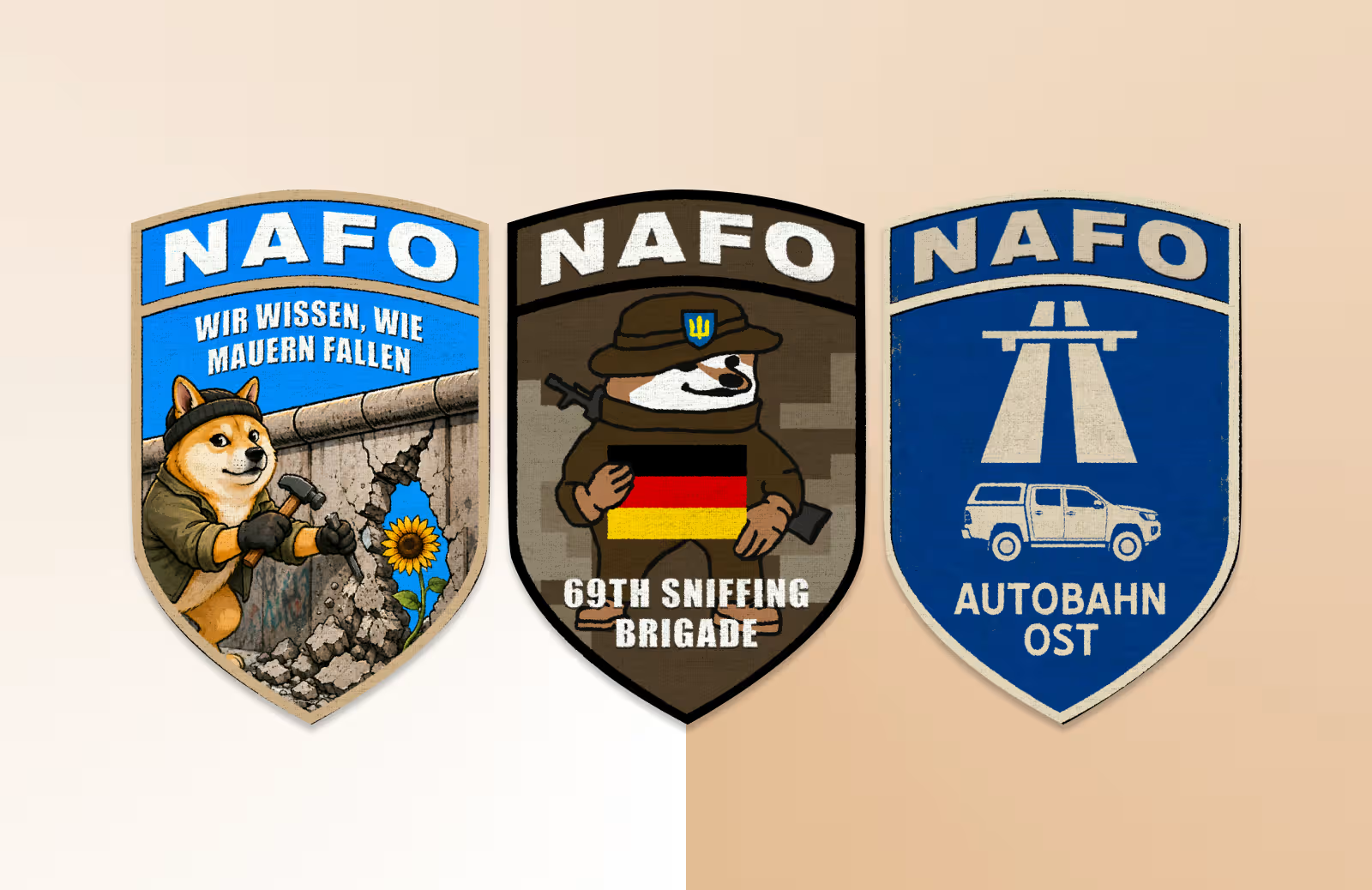
A small embroidered patch can carry far more than a striking image. In military communities, patches may preserve shared humor, recognize endurance, or express the identity of a group. For civilians, they can also provide a visible reminder that support for people in wartime should lead to practical action.
That connection between symbol and action matters. When they are offered through a clearly explained campaign, military morale patches give supporters a tangible keepsake while keeping attention on a defined fundraising goal. The patch is not the mission itself. It is a record of taking part in it.
Official insignia and morale patches are not the same
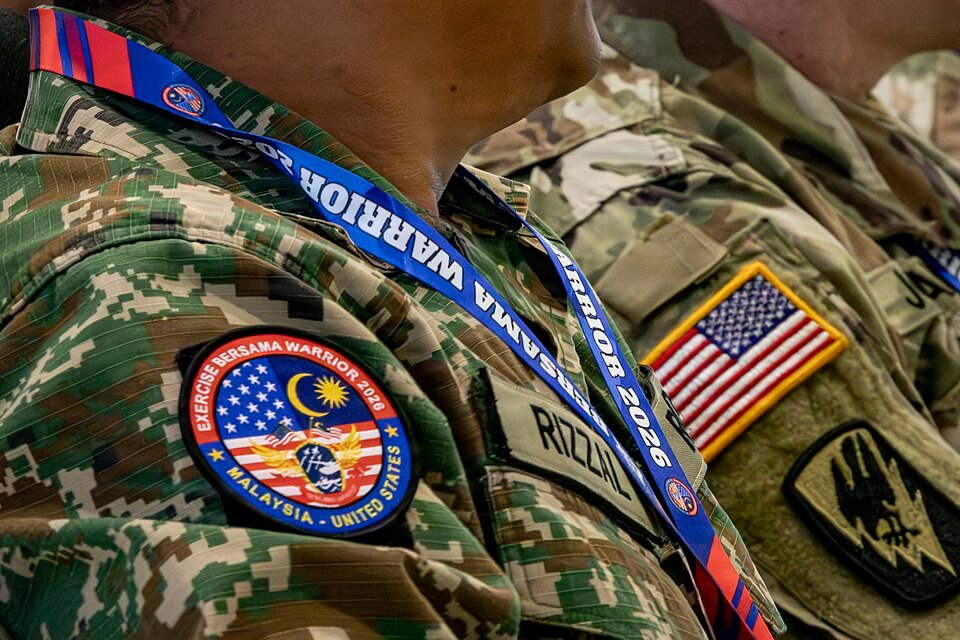
Military clothing can carry several types of markings, and their roles should not be confused. Official insignia may identify rank, branch, qualification, or unit and are governed by service regulations. Morale patches are generally more informal. Their designs often use mascots, jokes, local references, or campaign themes to encourage fellowship and recognize a shared experience.
That informal character gives designers more room to tell a story, but it does not make every patch suitable for official wear. Collectors and civilian supporters commonly place them on bags, hook-and-loop display panels, jackets, or boards. Service members should always follow their applicable uniform rules. In a fundraising setting, the patch is best understood as a commemorative item rather than proof of service, rank, or membership in a military unit.
Why campaign-specific design has meaning
Generic merchandise usually begins with a product and then looks for buyers. A fundraising patch works in the opposite direction: a real need comes first, and the design grows from that campaign. It might refer to a country, community, vehicle convoy, military unit, or phrase understood by the people involved.
A successful design remains understandable even when the viewer does not know every reference. Shape, color, lettering, and imagery create the first impression. The campaign story supplies the deeper meaning. A vehicle, national color, animal mascot, or short phrase can link the artwork to the people and equipment being supported. This balance matters because a patch should attract attention without turning a serious need into a novelty.
HELP99 follows this campaign-led approach. Its patches page presents active fundraising efforts connected with Ukrainian defenders. Supporters donate to a selected campaign and may receive one or more patches according to the contribution. The organization states that it gathers the funds, delivers aid to soldiers, and starts shipping patches after a campaign finishes. Each design is made in Ukraine as a limited edition for its particular campaign.
| Feature | What it represents | Why supporters should notice |
|---|---|---|
| Campaign-specific artwork | A particular story or objective | The item remains connected to a real effort |
| Ukrainian production | Clear origin and local craftsmanship | Provenance is easier to understand |
| Limited availability | A fixed campaign period | The patch marks a distinct moment |
| Donation-based fulfillment | Support comes before the keepsake | Fundraising remains the main purpose |
What to check before contributing
A meaningful design should not replace basic due diligence. Before joining any patch fundraiser, a supporter should:
- Read the stated goal and identify what the money is intended to fund.
- Check who runs the campaign and how completed work is reported.
- Confirm how the donation amount relates to the number of patches offered.
- Review when the campaign closes and when fulfillment is expected to begin.
- Keep the donation confirmation and use the organizer’s status page for updates.
These steps protect both the donor and the purpose of the campaign. They also set realistic expectations. A fundraising patch is not the same as an item taken from ordinary shop inventory, so dispatch may depend on the campaign reaching its endpoint and the organizer completing production and mailing arrangements.
Supporters should also distinguish a donation from an ordinary retail purchase. The primary purpose is to help finance the stated work, while the patch serves as recognition for contributing. Exact donation thresholds, available designs, request forms, and delivery schedules may differ between campaigns. Reading the current campaign page before paying prevents confusion caused by relying on an older social media post or a patch offered during a completed fundraiser.
A compact object with a lasting story
Once received, a patch can be displayed on a bag, patch panel, jacket, or collection board, subject to any relevant uniform rules. Its real value, however, comes from context. The strongest designs prompt a simple question: “What does that patch mean?” The answer can open a conversation about the people, equipment, or relief effort behind it.
That is why transparency is as important as artwork. A credible campaign explains the need, defines the connection between a donation and the patch, and reports what happened afterward. When those pieces are present, a few inches of embroidered fabric can serve as a durable reminder of shared identity, informed generosity, and help directed toward a concrete mission.
