

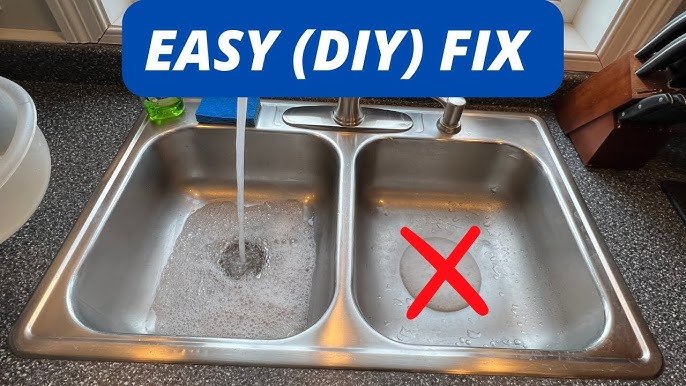
A sink that drains slowly can be frustrating, because sinks are in daily routines. At first, it seems like a minor inconvenience, but slow drainage in the sink is an early warning sign of developing blockage.
Avoiding these issues will lead to complete drain failure, unpleasant odours, or even water overflow. Understanding the root causes of blockage in the sink and knowing when to act can save time, money, and unnecessary stress.
This blog will help owners to understand why this problem occurs and when it is the correct time to involve a professional to find a solution.
Common Reasons Your Sink Is Draining Slowly
There are various reasons your sink is draining slowly, and these can be:
Grease and Fat Buildup in Pipes
Especially in kitchen pipelines, due to cooking oils, butter, and fats, it builds the grease which, with time, becomes sticky inside the pipes and traps the food particles.
Even small amounts of grease buildup in the sink will create a stubborn blockage that gradually restricts water flow.
Food Debris and Soap Residue
Food scraps, coffee grounds, and soap scum are also reasons for blocked drains in the sink. Soap residue in bathroom sinks and coffee or food debris in kitchen sinks collect the particles that cause the problem.
These particles do not immediately block the drain, but they slowly accumulate the particles in the pipe, which narrows it and leads to it draining at a reduced pace.
Hair and Organic Waste
In bathroom sinks, hair is a frequent cause of persistent blockages. Hair binds easily with soap residue, which creates the sticky clumps in the pipes, and over time, those clumps start growing and cause the water flow to be significantly reduced.
This type of hair and organic waste blockage often starts small, but it becomes significantly difficult to remove without the right tools.
Quick DIY Fixes You Can Try First
For a small blockage that can be handled at home, it can be resolved with these DIY fixes:
- Hot water flush will break down the grease and soap residue, and this should be done regularly as a preventive measure.
- A mixture of baking soda and vinegar will loosen the light debris. Setting it for 15-20 minutes before flushing the hot water will be a safe option for routine maintenance.
- Cleaning the trap regularly by placing a bucket underneath the sink and carefully removing the trap of grease buildup.
The Role of Professional Plumbing Services
It’s effective if we use DIY fixes, but it only works in minor blockages. Continuous and serious blockages require professional plumbing services requires
- Selecting the right Blocked Drain Plumber for plumbing and gas requires specialised tools such as drain cameras and high-pressure water jetting to clear the obstructions easily and deeply.
- Early involvement of professional plumbers prevents pipe damage and saves money, too.
How to Prevent Slow Sink Drainage in the Future
Various steps are effective in preventing slow sink drainage in the future:
- Avoid pouring grease, oils, or food scraps into the sink and use dustbins instead.
- Flushing drains with hot water weekly and cleaning sink traps every week with the help of a plumber will work best.
- Identify the early signs with the help of professional plumbers to extend the lifespan of your plumbing or sink system.
Conclusion
Slow draining of the sink is one of the most irritating issues, but it does give early signals of trouble in plumbing. DIY solutions may fix the minor issues, but for serious drainage issues, they will require the guidance of professionals.
Addressing the issue early helps prevent complete drain failure, water damage, and costly emergency repairs. If slow drainage persists, seeking professional help is the smartest way to protect your home and plumbing system.
FAQs
Why does my sink drain slowly even after cleaning it?
This usually means the blockage is deeper in the pipe and cannot be reached with basic cleaning methods.
Is a slow-draining sink an emergency?
Not always, but if ignored, it can turn into an emergency if the drain becomes fully blocked or overflows.
Can chemical drain cleaners fix slow drainage?
Chemical cleaners may provide temporary relief but can damage pipes over time and are not recommended for frequent use.
How often should drains be professionally cleaned?
For most homes, a professional inspection by a Plumber in Adelaide or cleaning every 1–2 years helps prevent major blockages.
What is the earliest sign of a blocked drain?
Slow drainage, unpleasant odours, or gurgling sounds are often the first indicators of a developing blockage.
