

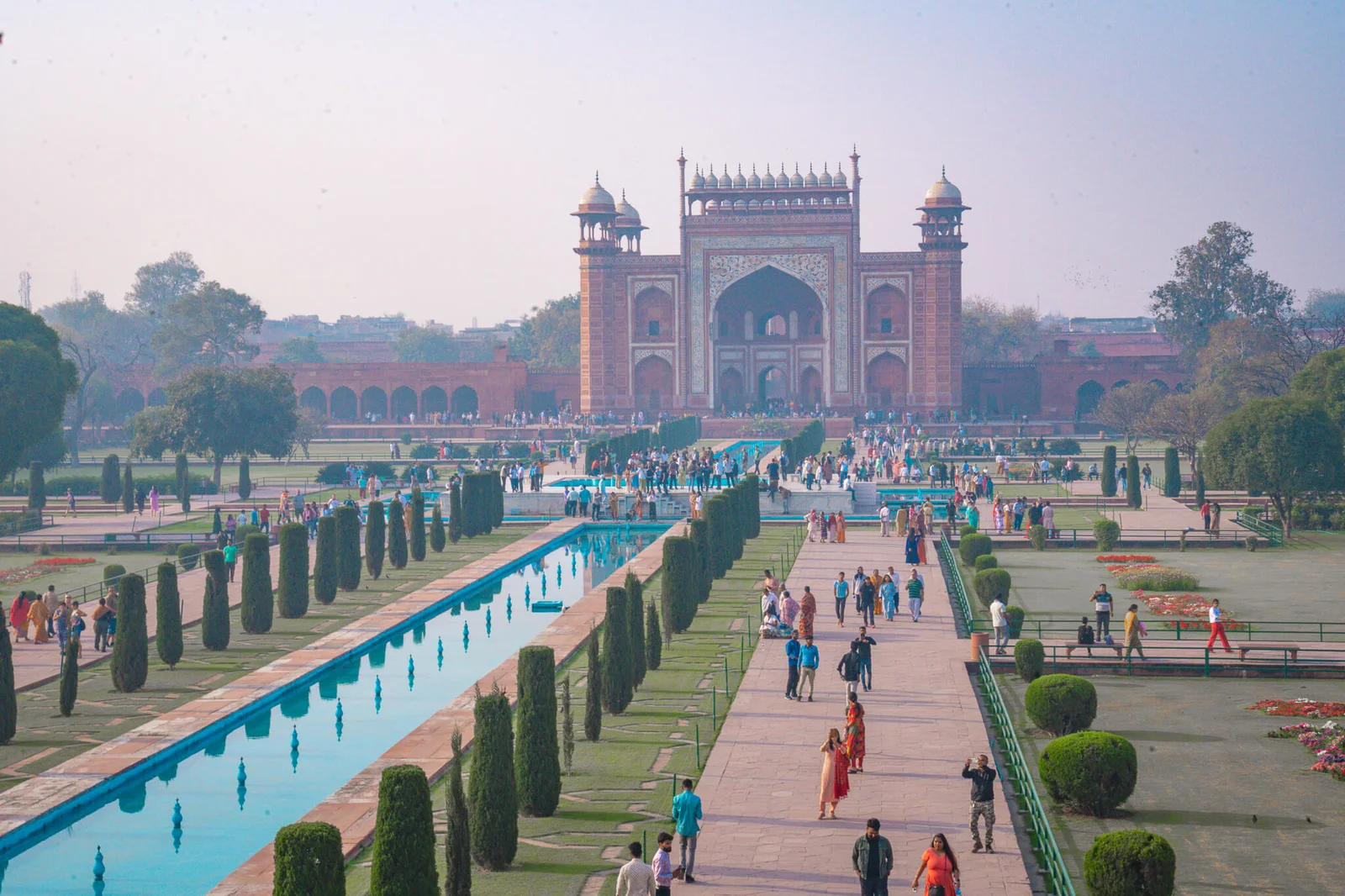
India often appears in headlines for its size, complexity, and occasional incidents, which can shape how safe it feels from the outside. For many travellers, this media perception creates anxiety before arrival. The reality on the ground is more balanced. India is a country visited by millions of international tourists every year, most of whom travel without serious problems. Like anywhere, safety depends on preparation, awareness, and understanding how daily life works locally.
Knowing what to expect helps turn concern into confidence.
General Safety Overview by Region and City
Most popular tourist regions in India are considered safe, especially areas accustomed to international visitors. Cities such as Delhi, Mumbai, Jaipur, Agra, Kochi, and Bengaluru have well developed tourism infrastructure. Police presence is visible in busy areas, and hotels are used to supporting foreign guests.
Rural areas and smaller towns tend to be welcoming but may feel more intense due to curiosity and limited English. This is rarely threatening, but it can feel overwhelming. Border regions and politically sensitive areas sometimes have travel restrictions, so checking government advisories before finalising your itinerary is sensible.
Petty crime such as pickpocketing can occur in crowded places, particularly in markets and on public transport. Violent crime against tourists is rare, but basic vigilance is important.
Transport Safety and Common Scams
Transport is one of the areas where travellers feel least prepared particularly when arriving on tickets to India for the first time. Trains are generally safe, especially in higher classes and on long distance routes. Keeping valuables secure and staying aware in stations helps avoid problems.
Taxis and app based ride services are widely used and considered reliable in most cities. Using recognised apps rather than hailing vehicles on the street reduces the risk of overcharging. Auto rickshaws are safe but prices should be agreed before starting the journey.
Common scams target first time visitors. These include being told that your hotel is closed, being redirected to a travel office, or being pressured into guided shopping trips. Politely declining and sticking to your original plans is usually enough to avoid trouble. If something feels wrong, trust that instinct.
Advice for Solo and Female Travellers
India is a popular destination for solo travellers, including women, but it requires confidence and situational awareness. Dressing modestly helps reduce unwanted attention. This does not mean abandoning personal style, but covering shoulders and legs often leads to more comfortable interactions.
Female travellers may experience staring or unsolicited questions. This behaviour is usually driven by curiosity rather than hostility, but it can feel intrusive. Firm boundaries, confident body language, and avoiding isolated areas after dark help minimise discomfort.
Solo travellers benefit from choosing accommodation in well reviewed areas and using transport options that offer tracking or clear pricing. Many women travel India independently every year and report positive experiences, particularly when they plan carefully.
Health Safety Food Water and Heat
Health concerns are often more relevant than crime. Food hygiene varies widely, and stomach upsets are common for first time visitors. Eating freshly cooked meals, avoiding raw salads, and choosing busy eateries reduces risk. Bottled water should be used for drinking and brushing teeth.
Heat is another major factor, especially between April and June. High temperatures can cause dehydration and exhaustion. Drinking water regularly, wearing light clothing, and avoiding midday sightseeing helps maintain energy levels.
Basic medical care is widely available in cities, and pharmacies are common. Travel insurance that covers medical treatment is strongly recommended.
Common Sense Advice and Reassurance
Most safety issues in India can be avoided through simple habits. Keep copies of important documents, do not display valuables openly, and stay aware of your surroundings. Learning a few local customs goes a long way in building positive interactions.
India can feel intense, especially at first, but intensity does not equal danger. The vast majority of travellers leave with stories of generosity, kindness, and unexpected support from strangers. By staying informed and using common sense, visitors can explore the country with confidence and enjoy everything it has to offer.
