

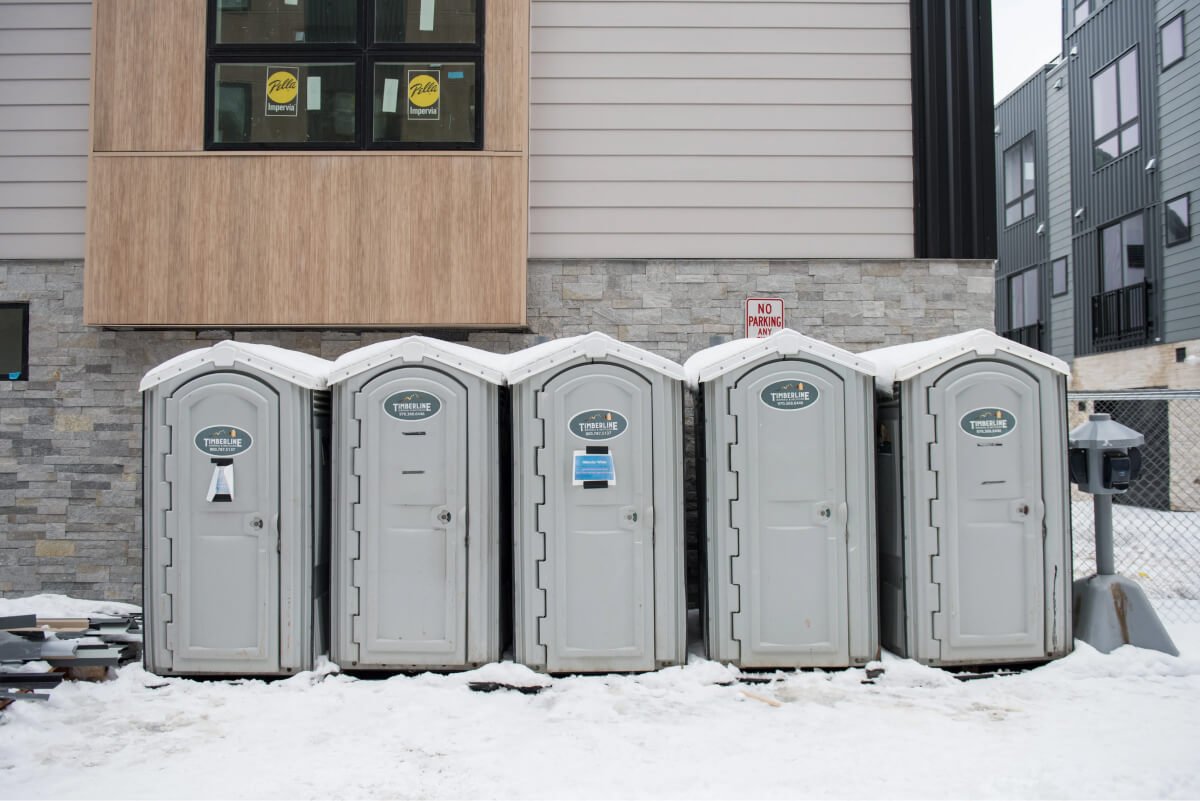
Portable toilets are a common sight at construction sites, outdoor events, and temporary locations where permanent restrooms are not available. While they may seem simple, portable toilets play an important role in maintaining sanitation, meeting regulations, and supporting the comfort of workers and guests. For contractors and event managers, understanding when portable toilets are needed and how they are typically used helps with better planning and smoother operations.
Understanding Portable Toilets
Portable toilets are self-contained restroom units designed for temporary use. Unlike permanent facilities, they do not require a direct connection to plumbing or sewer systems. Each unit includes a toilet, waste holding tank, and basic hygiene features, such as toilet paper and ventilation. Some units may also include hand sanitizer or handwashing stations, depending on the setup.
These restrooms are designed to be durable and easy to transport. They can be delivered, positioned, serviced, and removed as needed, making them well suited for short-term or mobile operations where fixed restrooms are impractical or unavailable.
Common Uses on Construction Sites
Construction projects often rely on portable toilets to meet basic sanitation needs. Job sites may be located in undeveloped areas or places where existing restrooms are not accessible to workers. Providing portable toilets helps crews stay on-site throughout the workday rather than leaving the area to find facilities.
Portable toilets also support compliance with workplace sanitation standards. Having the appropriate number of units available based on crew size helps contractors maintain a functional and organized job site. Regular servicing ensures that restrooms remain usable and hygienic over the course of the project.
Portable Toilets for Events and Gatherings
Outdoor events are another major use case for portable toilets. Festivals, concerts, sporting events, and community gatherings often take place in parks or open spaces without sufficient permanent restrooms. Portable toilets allow event managers to scale restroom availability based on expected attendance.
The number of units needed typically depends on factors such as event duration, crowd size, and whether food and beverages are being served. Proper placement around the event space helps reduce lines and improves the overall experience for attendees.
Temporary and Emergency Situations
Portable toilets are also used in temporary or emergency scenarios. During disaster response, infrastructure repairs, or facility renovations, normal restroom access may be limited or unavailable. Portable toilets provide a quick and reliable solution in these situations.
They are often deployed during building remodels, utility shutdowns, or after storms that disrupt plumbing systems. Their flexibility makes them a practical option when normal facilities cannot be used for an extended period.
Planning and Servicing Considerations
When planning for portable toilets, contractors and event managers need to consider placement, accessibility, and servicing schedules. Units should be placed on stable ground and in locations that are easy to reach without interfering with work or foot traffic.
Servicing is another key factor. Regular cleaning and waste removal help keep units functional and reduce complaints. Working with an experienced provider ensures that delivery, maintenance, and pickup are coordinated around the needs of the project or event. Platforms like rentportajohns.com help simplify this process by connecting users with appropriate portable toilet rental options.
Portable toilets are an essential resource for many temporary environments. From construction sites to large outdoor events, they support sanitation, convenience, and operational efficiency. By understanding when portable toilets are needed and how they fit into project or event planning, contractors and event managers can create better-organized spaces that meet both practical needs and basic expectations for comfort and cleanliness.
