

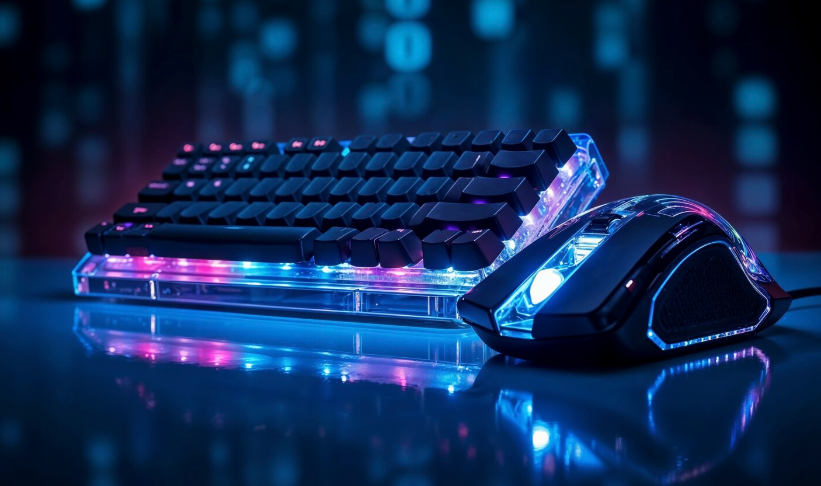
The evolution of the gaming keyboard has revolutionised the landscape of interactive entertainment, merging cutting-edge technology with ergonomic design to cater to the demands of gamers worldwide. As the digital age advances, these peripherals have transcended their traditional roles, becoming both an essential tool for serious competitors and a gateway to enhanced user experiences. The intricacies and innovations embedded in these devices tell a compelling story of technological progress.
The Rise of the Gaming Keyboard
The gaming keyboard’s rise can be traced back to the enhancements required by fast-paced gaming environments. Initially, standard keyboards sufficed, but as games became more complex with a need for rapid dissemination of commands, gamers sought peripherals that could keep pace. The need for faster response times and more durable construction led to significant innovations, setting the “gaming keyboard” apart from its conventional counterparts.
Mechanical vs Membrane Keyboards
One of the most critical differentiators in gaming keyboards is the choice between mechanical and membrane technology. Mechanical keyboards, recognised by their tactile response and audible clicks, have become synonymous with gaming. These keyboards utilise individual mechanical switches for each key, offering precision and a longer lifespan. Membrane keyboards, on the other hand, tend to be quieter and more affordable but lack the tactile feedback that many gamers prefer.
Key Switches and Their Importance
The type of key switches used in a gaming keyboard drastically affects performance. Cherry MX switches, for instance, are among the most popular, available in various colours indicating different levels of actuation force and sound. Red switches are known for their linear action and are favoured for fast-paced gameplay, whereas Brown switches provide a balance between tactile feedback and quieter operation.
Importance of Key Features
Beyond switches, gaming keyboards are equipped with a suite of features to enhance gaming performance. Anti-ghosting and n-key rollover are crucial as they ensure that multiple keys can be pressed simultaneously without conflict. Many keyboards also feature programmable keys and macros, allowing players to execute complex commands efficiently. RGB backlighting, while also a stylistic choice, provides practical benefits by allowing for visual cues in dimly lit environments.
Ergonomics and Design Considerations
Ergonomics is another significant consideration in the development of gaming keyboards. Prolonged gaming sessions can lead to strain, and manufacturers have responded with designs aimed at reducing tension. From the angle of the keyboard to the inclusion of wrist rests, every aspect is geared towards maintaining user comfort. Some of the more advanced models even offer split layouts, which can be adjusted to better fit the user’s natural hand position.
The Role of Software in Gaming Keyboards
In tandem with hardware, integrated software increasingly plays a role in the gaming keyboard experience. Custom software provided by manufacturers allows users to tweak settings, manage profiles, and program keys to their exact specifications. These tools not only personalise the gaming experience but can also give competitive gamers an edge by making crucial commands more accessible.
Innovation in Wireless Technology
Wireless technology in gaming peripherals has historically been met with scepticism due to lag issues and battery life concerns. However, technological advances in recent years have allayed many of these apprehensions. Modern wireless gaming keyboards feature low-latency connections and long-lasting battery performance, making them viable alternatives to their wired counterparts while maintaining a clutter-free workspace.
Sustainability in Gaming Keyboards
In line with broader industry trends, sustainability has become an area of focus for gaming keyboard manufacturers. This shift manifests in various ways, such as the use of eco-friendly materials, sustainable packaging, and design modifications aimed at durability to extend product life. Companies are recognising the importance of responsible manufacturing practices in the face of increasing consumer awareness of environmental issues.
The Emerging Influence of AI and Machine Learning
The incorporation of artificial intelligence and machine learning offers a glimpse into the future of gaming keyboards. These technologies hold the potential to adapt keyboard settings dynamically, optimising performance based on user behaviour and in-game situations. Such advancements will likely enhance user experience by providing an intuitive interface that evolves with the player’s needs.
Customisation and Aesthetic Trends
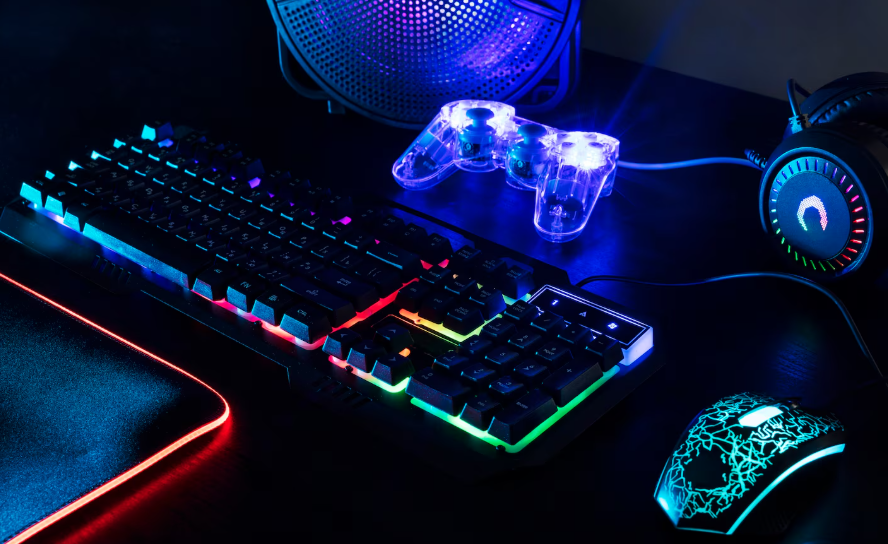
Gaming keyboards now come with a wide array of customisation options, allowing users to tailor aesthetics and functionality to their liking. From custom keycaps and skins to modular components, the personalisation trend reflects the broader desire for individuality in gaming. Visually, RGB lighting systems allow for an unparalleled level of customisation, enabling gamers to synchronise their peripherals for a cohesive setup.
Conclusion: The Continuing Evolution
As the gaming industry continues to expand its boundaries, so does the demand for peripherals that enhance the virtual experience. The gaming keyboard, with its rich history and evolving technology, exemplifies this dynamic. Aligning closely with gamer needs and technological trends, these devices continue to innovate, reflecting both the rapid pace of technology and the desires of a demanding user base. With ongoing developments in areas such as AI, sustainability, and customisation, the gaming keyboard remains a focal point of interest in the tech world.
