
Everyone wants to have their own home. But once they achieve this milestone, there comes another challenge. They realise that every property comes with a set of rules, restrictions, and records. These rules outline the do’s and don’ts you need to abide by in your home.
The first, smartest thing you can do as a homeowner is to learn how to access these documents. This will really help you while planning a renovation, upgrading your doorspace, or simply wanting to avoid surprise violations.
Many people don’t know where to start. A recent survey found that 42% of homeowners don’t fully understand the restrictions tied to their property, and nearly 1 in 3 homeowners overlook key HOA or county documents during the closing process.
This information gap can lead to permit delays, accidental violations, unnecessary expenses, and serious frustration.
In the guide, we’ll answer the concern many homeowners have: how do I find CC&Rs for my property? We’ll also dive deeper into what CC&Rs are and how homeowners can access them.
The Definition and Significance of CC&Rs
CC&Rs stands for Covenants, Conditions & Restrictions. Think of them as the supreme guideline book written by the community’s developer or the homeowners’ association (HOA).
They serve one core purpose: creating uniform standards to keep the neighborhood viable, clean, and beautiful.
Typical CC&R topics include:
- Architectural rules (paint colors, exterior materials, roofing styles)
- Landscaping requirements
- Home modification and construction approvals
- Parking rules
- Short-term rental limits
- Noise and nuisance regulations
- Pet rules
- Fence, shed, or outbuilding restrictions
Legally binding and essential as they are – ignoring them can lead to fines, forced removal of unapproved structures, and, in extreme situations, legal action.
Why Property Restrictions Exist
Property restrictions come from multiple sources. Some are created to protect property values, others ensure safety, and many maintain the long-term order of a neighborhood. Your property might be governed by:
- County land-use records
- HOA documents
- Zoning laws
- Subdivision rules
- Building and development codes
- Environmental or utility easements
This means restrictions can apply even if you don’t live in an HOA. Easements, setbacks, zoning limits, and deed restrictions can all affect your home.
How Do I Find CC&Rs for My Property?
Let’s address the most important question right away: how do I find CC&Rs for my property? The process varies depending on your county and whether you’re part of an HOA but here are the most reliable ways.
1. Review Your Closing Documents
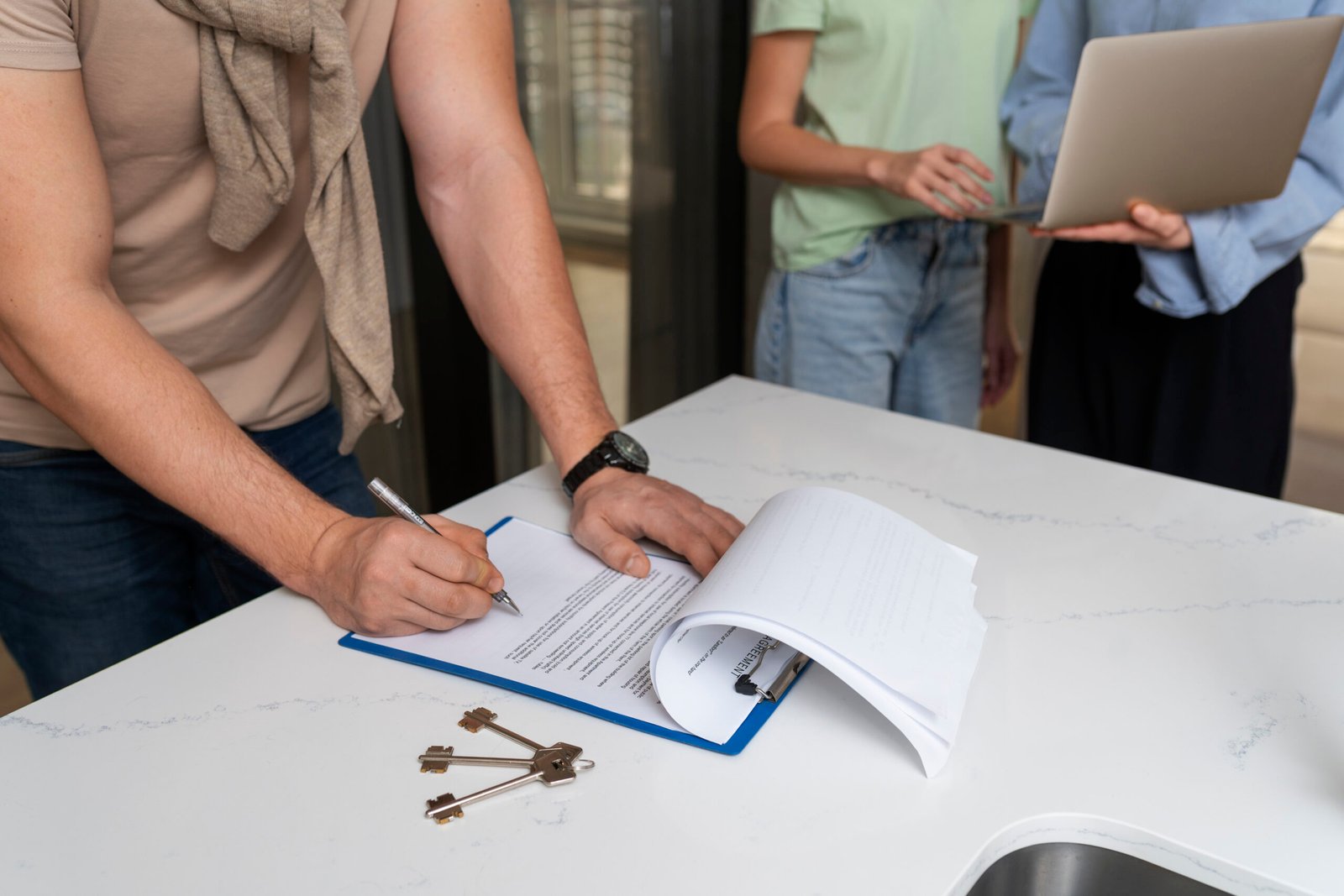
Most homeowners forget that their CC&Rs were included in their closing packet. If you bought with an agent or title company, these documents were provided in:
- Seller disclosures
- The title report/commitment
- HOA documentation packets
- The final closing binder
If you saved your closing paperwork in a safe place, this is the easiest place to check.
2. Search Your County Recorder or Assessor’s Office
Every CC&R document is recorded at the county level, making this the most definitive source. Visit your county recorder’s website and search by:
- Property address
- Parcel number (APN)
- Owner name
- Subdivision or tract number
Depending on the county, you may find:
- CC&Rs
- Deed restrictions
- Easements
- Subdivision maps
- Notices of amendments
Some counties offer free downloads; others charge small fees.
3. Contact Your Homeowners Association Directly
If your home belongs to an HOA, they maintain the official, updated versions of all governing documents, including:
- CC&Rs
- Bylaws
- Rules & Regulations
- Architectural Review Guidelines
- Amendments
- Community standards
Reach out through:
- Their online portal
- The management company
- The board email
- A community representative
HOAs are required to provide these documents to homeowners upon request.
4. Ask Your Title Company for the Records
Your file remains safe with your title company, even after years of closings. Upon asking, they can resend your CC&Rs and related documents, and that too, at no additional cost.
5. Check Online Real Estate Platforms
If you are a tech-savvy person, then you might also wonder: Where to find property restrictions online? Some modern real estate platforms store:
- CC&Rs
- HOA rules
- Community guidelines
Although newer subdivisions and planned communities have this in common, it’s not always guaranteed. You can use it as a quick shortcut if available.
How to Check HOA Documents Carefully
If you live in an HOA-managed community, your restrictions are spread across several documents -not just the CC&Rs. Here’s what to review and why each one matters.
1. CC&Rs – The Strong Foundation of All Rules
These are the highest-level, legally recorded documents. They take precedence over the other HOA rules and define:
- Property use
- Architectural controls
- Maintenance responsibilities
- Assessments and fees
- Homeowner obligations
- Enforcement rights
2. Bylaws – How the HOA Operates
Bylaws govern:
- Board elections
- Voting procedures
- Meeting rules
- Leadership roles
- Committee structures
While they don’t usually affect day-to-day homeowner life, they matter for understanding how decisions are made.
3. Rules & Regulations
These are easier to update than CC&Rs and usually include:
- Pool hours
- Parking policies
- Trash can placement
- Pet cleanup rules
- Holiday décor rules
4. Architectural Guidelines
If you’re planning a remodel or exterior change, this is your most important document. It covers:
- Paint colors
- Roofing materials
- Fence type and height
- Window styles
- Driveway expansions
- Additions, porches, decks, and sheds
Always review these before spending a dollar on any project.
Where to Find Property Restrictions Online
Even outside HOA communities, your property may have rules recorded at the government level. Here’s where to check:
1. County Property Records
This includes:
- Deeds
- Easements
- Liens
- Conditions or restrictions recorded by developers
- Historical ownership records
Deed restrictions are still enforceable decades later, which is why checking them matters.
2. City or County Zoning Maps
These maps outline:
- Zoning category (residential, commercial, mixed-use)
- Setback requirements
- Maximum building height
- Accessory dwelling unit (ADU) rules
- Minimum lot size
These rules guide where you can build, expand, or add structures.
3. Planning & Building Department Websites
These sites list:
- Building code requirements
- Permit rules
- Development standards
- Neighborhood or corridor plans
- Public hearing records
If you plan to remodel, this is your blueprint for compliance.
4. Subdivision or Developer Portals
In newer communities, developers often host:
- Original CC&Rs
- Design guidelines
- Master plans
- Community maps
These can give you a look at the neighborhood’s long-term plan.
Protect Your Investment by Understanding Restrictions
Researching your property records and restrictions may feel overwhelming at first but the payoff is substantial. Doing this early helps you:
- Avoid costly HOA violations
- Prevent construction or renovation delays
- Maintain and improve property value
- Understand long-term limitations or opportunities
- Make informed renovation decisions
- Stay compliant with city and HOA rules
- Protect yourself legally and financially
When you know everything about your property rules, you’re well prepared in advance. You can expect fewer surprises and more confident decisions as a homeowner.
The Bottom Line
The right resources can get you there. Use HOA portals, county websites, zoning databases, and title companies to quickly unmask everything you need. And that’s it!
To gain the maximum knowledge of the rules that apply to your home doesn’t have to be a struggle. Just take the time to review these documents to gain clarity and protect your investment.
We hope you found your answers – whether you’re simply trying to know how to find CC&Rs for my property, renovation rules, or researching community standards. Ensure your home projects move forward without any setbacks.
Discover more stories on purpose-driven leadership and community impact Buzz Mega.
