
Healthcare organizations manage increasingly complex administrative responsibilities, from claims and eligibility to provider networks, reporting, reimbursement, and compliance. One experienced technology provider in this space is Managed Care Systems, Inc. (MCSI), which provides automated healthcare administration software, implementation, and support services for PPOs, ACOs, self-funded employers, and stop-loss carriers. By combining configurable technology with operational support, MCSI helps healthcare organizations streamline workflows, improve efficiency, reduce administrative complexity, and manage demanding processes through reliable, technology-driven solutions.
The Growing Importance of Healthcare Administration Technology
Healthcare administration involves far more than processing paperwork. Organizations must coordinate members, providers, claims, contracts, financial information, reporting requirements, and numerous operational processes while maintaining accuracy and consistency.
As organizations grow, manual systems and disconnected software applications can become difficult to manage. Information may be duplicated, staff may spend unnecessary time moving data between systems, and reporting can become slow or inconsistent.
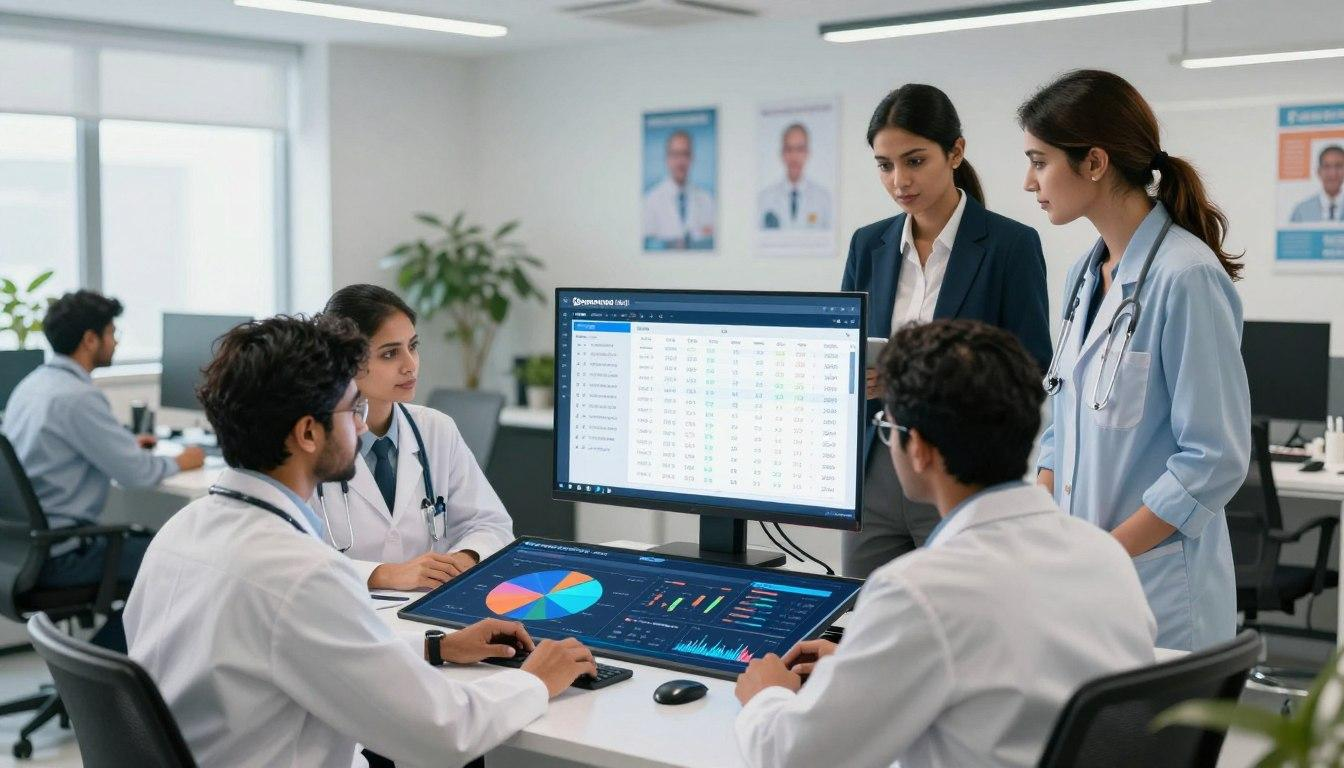
Modern healthcare administration technology is designed to bring these processes together. A centralized platform can improve visibility, automate repetitive work, and provide teams with the information they need to manage daily operations more effectively.
What Is a Managed Care System?
A managed care system provides technology and administrative functionality that helps healthcare organizations manage the complex relationships among members, providers, employers, payers, and other stakeholders.
Depending on the organization, the software may support functions such as eligibility management, claims administration, provider network management, utilization information, financial processing, reporting, and contract administration.
The value of an integrated system comes from reducing the number of disconnected tools employees must use. Instead of maintaining separate databases or spreadsheets for different departments, organizations can work from a coordinated technology environment.
This helps improve data consistency while also making operational information easier to access.
Automation Reduces Administrative Work
Healthcare administration often involves repetitive tasks that consume significant staff time. Employees may need to verify eligibility, update records, manage claims information, generate reports, or transfer data between systems.
Automation can reduce the amount of manual intervention required for these processes.
By configuring software around established workflows, organizations can allow routine tasks to move through the system more efficiently. Employees can then focus their time on exceptions, customer support, analysis, and other responsibilities that require human judgment.
Automation may also reduce errors caused by repetitive manual data entry, helping improve administrative consistency.
Supporting PPO Administration
Preferred Provider Organizations, or PPOs, must maintain large amounts of information related to provider networks, contracts, claims, pricing arrangements, and participating organizations.
Managing this information manually can become increasingly difficult as the network expands.
Healthcare administration platforms can help PPOs organize provider information, manage administrative rules, support claims-related processes, and generate operational reports.
A flexible software environment is particularly valuable because different PPOs may operate with different network structures, pricing methodologies, contractual requirements, and business processes.
Technology should therefore support customization without making daily administration unnecessarily complicated.
Technology for ACO Operations
Accountable Care Organizations often coordinate information across multiple providers and healthcare entities. This can create significant administrative complexity.
Reliable technology can help organizations consolidate information, improve reporting, and maintain visibility into operational activities.
An effective healthcare administration platform should make it easier for staff to access relevant information while reducing unnecessary duplication across departments.
As healthcare organizations increasingly depend on data-driven management, the ability to organize administrative information effectively becomes an important part of overall operational performance.
Solutions for Self-Funded Employers
Self-funded employers take on greater responsibility for managing healthcare costs and benefit-related administration.
This arrangement can provide greater control, but it can also introduce additional administrative requirements.
Technology platforms can help employers and their service partners manage eligibility information, claims-related processes, reporting, and other operational data.
Access to organized information can also help decision-makers understand plan activity and identify areas that may require attention.
A reliable administrative system therefore becomes an important part of managing a self-funded healthcare program efficiently.
Supporting Stop-Loss Carriers
Stop-loss insurance helps protect self-funded employers from unusually high claims expenses. Because stop-loss arrangements involve specialized financial and administrative processes, carriers require accurate information and dependable technology.
Administrative platforms can support activities such as claim tracking, eligibility information, reporting, and communication among the organizations involved.
Reducing manual processing is particularly valuable when large volumes of information must be reviewed consistently.
Technology can also provide better visibility into historical data, helping teams monitor cases and manage administrative responsibilities more effectively.
The Role of Healthcare Communication Technology
Efficient healthcare administration depends on reliable communication between organizations, providers, payers, employers, and other stakeholders.
Solutions such as comlink can support connectivity and information exchange within healthcare administration environments.
When communication tools are integrated with administrative systems, organizations can reduce reliance on disconnected processes and improve the flow of information.
Better connectivity can also reduce delays created when staff members must manually locate, verify, or transfer information between multiple systems.
Why Implementation Services Matter
Selecting healthcare software is only one part of a successful technology project.
Implementation determines how effectively the software fits into the organization’s existing workflows.
A well-managed implementation process typically involves understanding business requirements, configuring the system, migrating or preparing data, testing workflows, training staff, and addressing operational issues before full deployment.
Healthcare organizations often have unique administrative structures, meaning a generic implementation approach may not be sufficient.
Working with an experienced technology provider can help ensure that software is configured around real operational requirements rather than forcing employees to completely redesign established processes.
Ongoing Support Is Essential
Healthcare technology systems are long-term operational tools. Organizations therefore need more than initial installation.
Reliable support services can help users resolve technical issues, understand system functionality, adjust configurations, and manage changing administrative requirements.
Support becomes especially important when software is responsible for critical daily processes.
A system interruption or unresolved technical problem can affect multiple departments, making responsive assistance an important consideration when selecting a healthcare technology provider.
Improving Efficiency Through Integrated Software
One of the biggest advantages of modern managed care software is the ability to bring multiple administrative functions into a coordinated environment.
Integrated platforms can reduce duplicate data entry and make information available across departments more consistently.
For example, when eligibility, provider, claims, and reporting information is maintained within connected workflows, employees may spend less time reconciling data from separate applications.
This can improve productivity while also helping management teams gain a clearer view of administrative operations.
Better Reporting and Decision Support
Healthcare organizations generate significant volumes of operational data.
Without effective reporting tools, valuable information can remain difficult to interpret.
Administrative technology can transform raw data into reports that support operational monitoring, financial review, network management, and business planning.
The ability to generate reliable reports quickly also reduces dependence on manual spreadsheet preparation.
Decision-makers can access information more efficiently and focus on analyzing trends rather than spending excessive time assembling data.
Managing Complex Administrative Processes
Every healthcare organization develops its own combination of business rules, contracts, provider relationships, customer requirements, and operational procedures.
This complexity means healthcare administration software must be flexible.
A rigid platform may require organizations to create manual workarounds whenever a process does not fit standard software functionality.
Configurable systems allow administrators to better align technology with existing business requirements.
This flexibility becomes particularly valuable as organizations grow, enter new markets, expand provider networks, or introduce additional services.
Reducing Errors and Improving Data Accuracy
Administrative errors can create unnecessary delays, additional work, and inaccurate reporting.
Many of these problems originate from manual data entry or from information being maintained in multiple disconnected systems.
Automation and centralized data management can reduce these risks.
When information is entered and maintained within a coordinated platform, employees can spend less time checking whether different systems contain conflicting records.
More consistent data also supports more reliable reporting and administrative decision-making.
Scalability for Growing Healthcare Organizations
Healthcare organizations need technology that can support their current operations while also accommodating future growth.
An organization may add members, providers, employer groups, customers, or new administrative services over time.
If the underlying software cannot scale effectively, growth can create performance problems and additional manual work.
A scalable healthcare administration platform allows organizations to expand without rebuilding their entire technology infrastructure.
This makes scalability an important consideration during software selection.
Choosing a Healthcare Administration Technology Provider
Healthcare organizations should evaluate both the software platform and the company supporting it.
Important considerations include industry experience, implementation capabilities, customization options, technical support, system reliability, reporting functionality, and the ability to support specialized administrative workflows.
Experience with organizations such as PPOs, ACOs, self-funded employers, and stop-loss carriers can also be valuable because these groups have different operational requirements.
A provider that understands both healthcare administration and software technology is better positioned to help clients configure systems around real business needs.
The Future of Healthcare Administration
Healthcare administration will continue becoming more technology-driven as organizations look for ways to control costs, improve productivity, and manage growing volumes of information.
Automation, system integration, advanced reporting, and improved connectivity will remain important areas of development.
Organizations that modernize administrative infrastructure can reduce reliance on manual processes while giving employees better tools to manage complex responsibilities.
Technology cannot eliminate every administrative challenge, but the right platform can make those challenges significantly easier to control.
Conclusion
Healthcare administration technology helps organizations manage the complex processes behind modern healthcare operations. From eligibility and provider information to claims-related workflows, reporting, communication, and financial administration, integrated software can reduce manual work and improve operational visibility.
Organizations such as PPOs, ACOs, self-funded employers, and stop-loss carriers can benefit from technology that combines automation, flexible configuration, implementation support, and ongoing assistance. Providers such as Managed Care Systems, Inc. demonstrate how specialized healthcare administration technology can help organizations streamline operations, improve efficiency, and manage complex administrative responsibilities through reliable software and professional support.
