

Planning a new build and stuck on garage door dimensions?
Well, this isn’t something most people think about until it’s too late. Even experienced builders sometimes overlook the details that make or break a proper garage door fit.
But we understand the concern for getting it right from the start. Getting your garage door sizes wrong at the planning stage means expensive modifications later (and trust us, we’ve seen that frustration firsthand).
After 15 years of installing garage doors across Brisbane, we’ve helped hundreds of homeowners get their door measurements right the first time. At Doors Direct, we know exactly which measurements work for Australian homes and which mistakes to avoid.
In this guide, we’ll share our expertise on double garage door sizes in Australia, how single and double garages compare, and how to measure your garage opening properly. You’ll also learn how to pick the right door size.
Want to avoid costly garage door sizing mistakes? Keep reading.
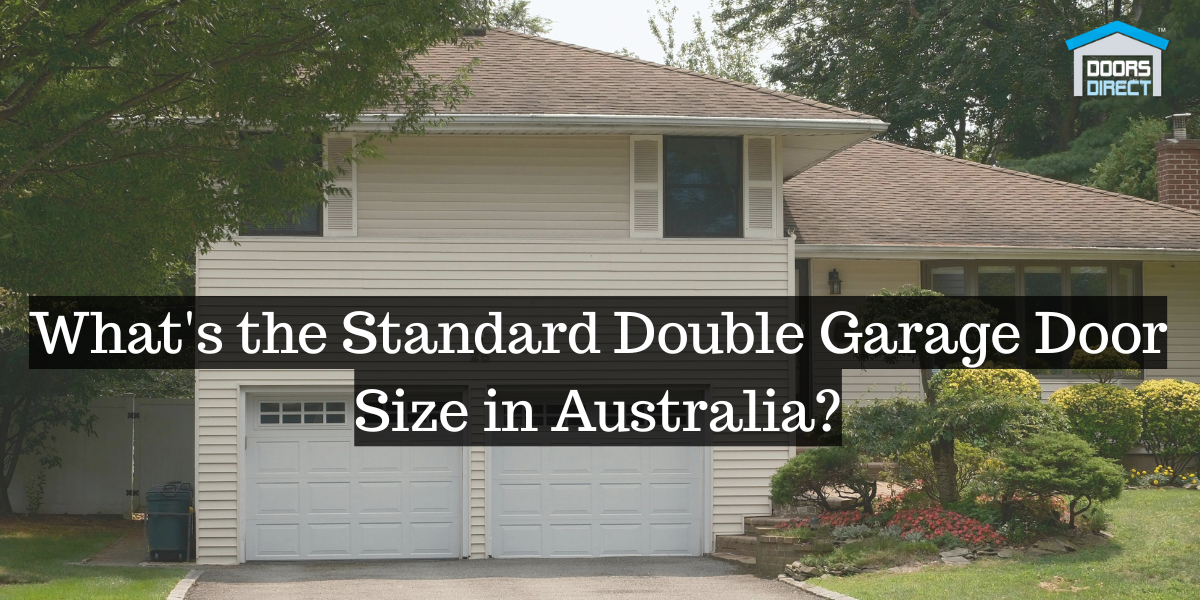
What’s the Standard Double Garage Door Size in Australia?
The standard double garage door in Australia is 2100mm high and 4800mm wide. These are the measurements you’ll see in most residential garage doors across the country, and there’s a good reason they’ve become the usual dimensions.
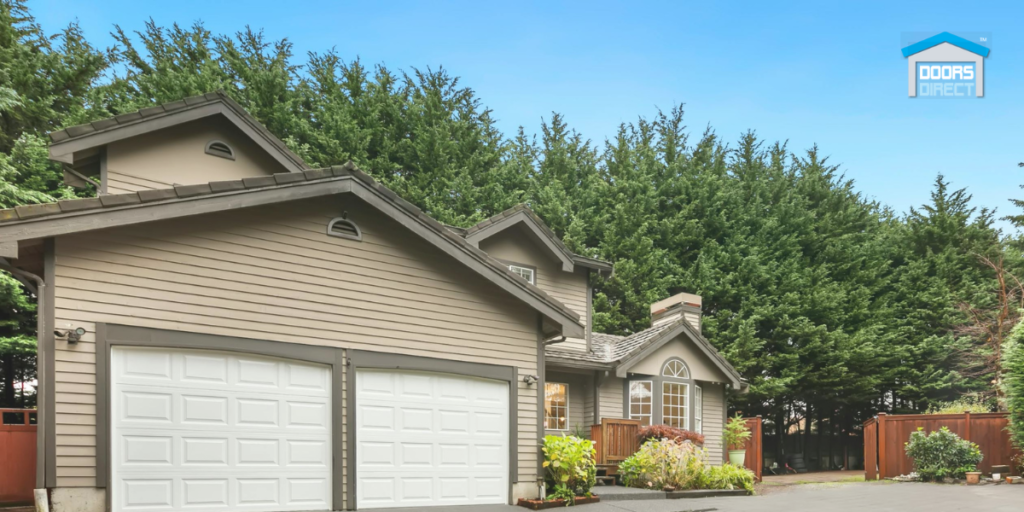
Australian garage door sizes follow these measurements because they accommodate two average-sized cars parked side by side with enough clearance space on each side. The 4800mm width gives you roughly 2400mm per vehicle, which works for most sedans, hatchbacks, and smaller SUVs.
Also, the 2100mm standard garage door height handles typical vehicle heights without issues. In Australia, the average car sits around 1800mm tall, so the extra headroom prevents scraping your roof racks or antennas.
Both roller doors and sectional garage door types stick to these typical sizes for new builds. This consistency makes garage door installation straightforward and keeps costs reasonable.
When you’re planning your double garages, these measurements give you a solid starting point that fits most situations without needing custom work.
Single vs Double Garage Doors: How Do the Dimensions Compare?
While single doors measure 2100mm high by 2400mm wide, double doors stretch to 4800mm wide with the same height.
Here’s how the numbers stack up:
| Garage Type | Width | Height | Best For |
| Single Garage | 2400mm | 2100mm | One vehicle, compact storage |
| Double Garage | 4800mm | 2100mm | Two cars side by side, larger vehicles |
The width difference is the big one here. Single garages give you space for one car with minimal room on the sides.
Meanwhile, double garages offer twice the garage door width, which means you can park two cars or use the extra space for storage and workbenches (and yes, that’s literally double the opening).
Based on our experience, single garage doors work perfectly for smaller garages where you’re only parking one vehicle. But if you’re planning to fit two cars or need room for a boat or trailer, the standard single garage door won’t cut it.
However, double garage door sizes give you that flexibility, especially when you factor in how Australian homes include design features for outdoor equipment storage.
One Large Door or Two Single Doors?
In general, we recommend one large door when you want lower costs and maximum clearance. But if you need partial access or separate storage zones, go for two single doors.
So what’s the real deal here? Well, one large double door needs just one motor for garage door installation, which cuts your upfront costs significantly (trust us, we’ve installed enough of both to know the difference).
And two single doors require two separate motors and two sets of tracks, which means you’re paying more from the start.
The advantage of double doors working as one unit is the wider door opening you get. If you’re storing boats, trailers, or workshop equipment, that uninterrupted space makes moving things in and out much easier. There’s no centre post blocking your path.
But two single doors have their perks, too. You can open just one side when you need quick access without exposing your entire garage to the elements. Some people prefer this setup when they’re using half the garage for storage and want to keep that area secure while accessing the other side.
Measuring Your Garage Opening: What You Need to Check
You need to measure width, height, headroom, and side room to make sure your door fits properly. Believe it or not, getting accurate measurements right from the start saves you from discovering problems when the door arrives.
So grab your tape measure and check these main areas before you finalise your plans:
Getting Your Width, Height, and Headroom Right
Getting these measurements right means your door operates smoothly without jamming or scraping.
Start by measuring your garage door opening width at three points: top, middle, and bottom. This tells you if your opening is actually square or if one end is wider than the other. Use the widest point as your measurement to ensure the door clears everywhere.
For height, measure from the floor to the top of your garage door frame. That’s your basic door height, but here’s where it gets interesting. You need to account for headroom above that measurement.
Roller doors typically require around 300mm of headroom space above the frame for the motor and rolled-up door. Sectional doors need even more ceiling clearance because the panels stack horizontally on tracks.
In our experience, headroom issues cause more installation delays than any other measurement mistake. Check your ceiling height before you commit to a door type.
Side Room Requirements You Can’t Skip
Double garages need a minimum of 250mm side room on each side of your garage door opening for the track installation. That’s the space between your door frame edge and the nearest wall or obstruction. Without adequate room for those tracks, the door simply won’t operate correctly.
What’s more, insufficient side clearance means tracks won’t fit properly, and door operation becomes unreliable. We’ve seen doors bind, stick, and wear out motors because someone skimped on the side room during the building phase. That 250mm is the minimum requirement to prevent accidents and ensure smooth operation.
Pro Tip: Look for existing pipes, electrical outlets, or structural beams that might block track placement while you’re checking side clearance. These obstacles aren’t always obvious on plans, but they’ll definitely cause problems during installation.
Once you’ve got these measurements sorted, you might be thinking your garage opening doesn’t match the standard dimensions we covered earlier.
Custom Garage Door Options for Non-Standard Builds
Custom sizing works for taller vehicles, boats, caravans or unique architectural garage designs that don’t fit the typical mould.
Many Australian manufacturers build custom garage doors to exact specifications beyond standard measurements. So you’re not stuck trying to make a standard door work in a non-standard space.
Custom sizes give you specific solutions when your build has specific requirements. Maybe you’re housing a lifted 4WD that needs extra height, or your architect designed wider openings that exceed the standard 4800mm.
While custom-made doors handle these situations, they come with some trade-offs:
- Higher Cost: Cost more than standard garage door sizes because manufacturers build them individually to your measurements.
- Longer Wait Times: It takes longer because production happens from scratch for each door rather than following standard production runs.
Still, they fit awkward spaces perfectly (and that’s worth the wait when standard options simply won’t work). What counts most is knowing early in your build whether you’ll need custom garage work, so you can budget accordingly and avoid delays.
Picking the Right Door Size for Your Brisbane Home
The right door size now saves you from expensive modifications or regrets down the track. You don’t want to realise too late that your new garage barely fits your vehicle.
Let’s be honest here, choosing the right garage door size involves thinking about several factors beyond just measuring your current car.
Here are the practical considerations that’ll help you make the best decision:
- Think Ahead on Vehicles: Consider your current vehicle dimensions plus any future upgrades to larger SUVs or utes (because nobody wants to play Tetris with a LandCruiser every morning).
- Account for Storage Needs: If you’re planning shelving, workbenches or roof-mounted bike racks, remember that garage storage eats into your parking space and door clearance.
- Check Brisbane Weather Protection: Brisbane’s weather is unpredictable, with sudden storms and intense summer heat. That’s why sealed doors with quality materials like Colorbond steel help keep water out and reduce heat transfer into your garage.
- Measure Your Driveway Angle: Driveway angle affects door clearance, and steep driveways may need adjusted height measurements for proper fit.
- Review Council Requirements Early: Check council building codes early, as some areas restrict the maximum garage door width for Australian homes. For example, some councils limit garage door frontage to 50% of your property’s street-facing width.
Sort Your Door Size Before You Build
Standard dimensions work for most Brisbane homes, but your specific situation might need adjustments. No matter whether you’re going with a standard garage door or need custom sizing, the measurements you take now determine how smoothly your garage door installation goes later.
Don’t leave your new garage door decisions until the last minute. Professional installation requires accurate specifications from the start, and changes after construction begins cost significantly more than getting it right on paper.
Need help choosing the right door for your new build? Then contact Doors Direct today for expert advice on your garage door requirements.
