

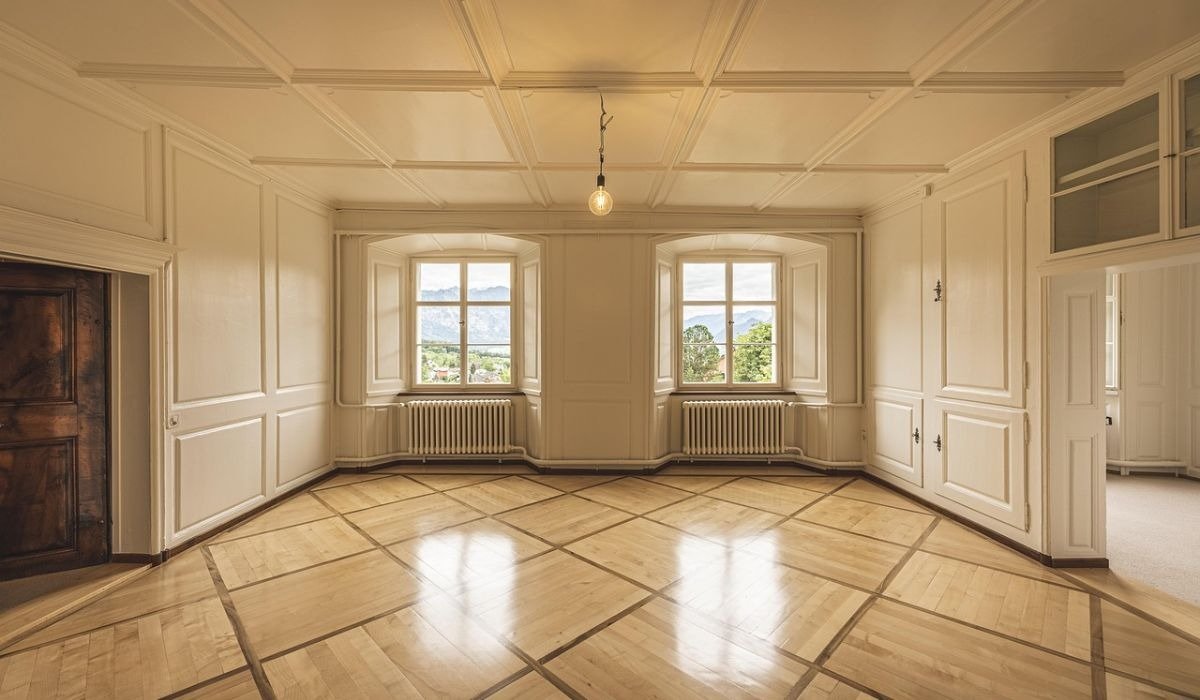
Probate house insurance is a specific insurance policy for properties during probate, typically when a person who owned the house has died, and the estate’s assets (including the house) are being managed or sold. Most standard home insurance policies do not cover properties that are unoccupied for more than 30-60 days, making coverage invalid once the property is under probate and vacant. Probate house insurance (sometimes referred to as unoccupied property insurance in a probate) fills this gap and safeguards the executors, beneficiaries, and administrators in terms of financial loss because of damage, theft, or liability.
What Is Probate House Insurance?
Probate house insurance is a customised insurance cover that is meant to cover a property that is not in use during the probate process. A homeowner’s current building and contents insurance may expire or become invalid upon the homeowner’s death, leaving no one residing in the property. Specialised probate policy guarantees that the property is insurable until the probate is conferred and the estate is closed.
This insurance applies regardless of whether the property is in a busy city or a rural setting and is most relevant when the property will be left unoccupied for more than 30 days.
Why Probate House Insurance Matters
Unoccupied Properties Are Higher Risk
An empty house is more exposed. These risks include:
- Fire, lightning or explosion
- Escape of water (burst pipes)
- Flood or storm damage
- Theft or attempted theft
- Malicious or vandalism damage.
- The claims on liability in the case of injury to a visitor on the premises.
Normal household coverage usually only extends to cover when the property has been empty for 30-60 days, and most insurance companies will not renew a policy in an empty house. Specialist probate insurance eliminates this restriction and guarantees uninterrupted cover.
Who Needs Probate House Insurance?
The insurance of probate houses is normally required by:
- Managers or executors of the estate.
- In charge of managing estate funds.
- Attorneys or a law firm that handles issues related to the estate.
- Any person who plans to sell, preserve, or obtain a property undergoing probate.
The fiduciary duty of the executors and administrators is to safeguard the assets of the estate, and this extends to ensuring that there is proper insurance cover. The inability to have the right insurance can leave them with personal liability for the losses incurred during the absence of insurance.
What Does Probate House Insurance Cover?
Probate house insurance can vary by provider, but typically includes:
Buildings Cover
This covers the property against insurable events such as fire, storm, and certain water damage, including walls, roof, floors, permanent fixtures, garages, and other structural parts.
Contents Cover
If the property includes furniture, appliances, and personal contents, contents insurance can be added as an option with a specified limit.
Liability Cover
Unless there are any other properties, liability protection assists in paying legal and compensation expenses in case someone is injured during their stay in the property or their property is destroyed due to your property, which is an estate.
Optional Covers
Most insurers provide such extras as:
- Home emergency assistance
- Legal expense cover
- Travelling expenses in case the property is uninhabitable.
- Trace and access (in case of water leaks and water repair)
Unoccupied vs Occupied Probate Insurance
It is important to note the distinction:
- Unoccupied Probate House Insurance: Properties that are vacant (empty) usually have more demanding conditions and must be more inclusive.
- Occupied Probate Insurance: When beneficiaries or tenants remain at the property during probate, alternative policy terms can be used, and in some cases, the policy is similar to standard home insurance with optional probate coverage.
Always declare occupation exactly, because any false declaration of occupation that a probate property is in occupation when it is not may be treated as a declaration of all occupation.
Common Policy Terms and Conditions
Inspection Requirements
Certain policies can be conducted periodically, like inspections, such as visiting the property once a week or once a month, to verify that the property is secure.
Security Standards
The policy can impose conditions of locks, alarm and security to stay valid.
Coverage Limits
Some items or conditions may also be capped by insurers (the value of personal items or single article cover), and therefore, it is important to read the policy terms closely.
How Long Should You Keep Probate Insurance?
The insurance of probate houses can generally be hedged to suit the needs of the individual; the most common ones are:
- 3 months
- 6 months
- 9 months
- 12 months
In case of probate being delayed or prolonged, it is possible to renew or prolong policies; however, the duration of the cover should be planned to be in correlation with the projected duration of the legal procedure.
Costs of Probate House Insurance
Probate insurance will cost more depending on:
- Rebuild cost and size of property.
- Location
- Duration (short-term and annual)
- Cover level (as buildings only or buildings and contents)
- Inspection requirements and measures that are put in place against security.
Due to the fact that probate properties are considered to be of higher risk than occupied housing, the premiums charged are normally at a higher level than normal homeowners’ insurance. To ensure the best terms, one has to seek several competitive quotes.
Choosing the Right Provider
In choosing probate house insurance, consider:
- Coverage options and exclusions.
- Reputation of customer service.
- Claims process and support
- Quality, premium, and flexibility.
- Assessments and evaluations of the insurer.
One example of a broker solution is Falcon Insurance’s Unoccupied Property Insurance, which covers properties that are either under probate or unoccupied. It focuses on customised, dynamic policies that will cover unoccupied properties against general hazards.
Never make a commitment without comparing and contrasting established UK insurance brokers and providers and demanding to see policy wordings.
Conclusion: Securing Your Probate Property
Insurance of probate houses is a crucial financial security for any property not occupied at all in the probate process. It provides executors, administrators, and beneficiaries with the peace of mind that the estate will not lose money or incur any legal obligations without prior notice.
Being aware of the extent of cover, risks, and policy requirements, you can make a knowledgeable decision and see to it that the property, which is one of the most valuable assets in the estate, is not exposed to risks during probate.
