
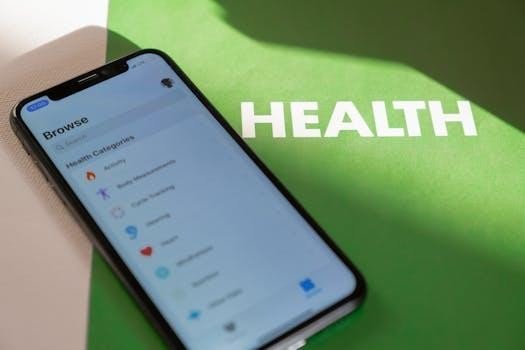
Daily health behaviour no longer grows only in clinics, waiting rooms, and scolding letters from GPs. Screens take that role now. And they do it with a quiet ruthlessness. Apps count every step, watches judge every heartbeat, and subscription platforms whisper advice at midnight. Thus, the old weekly check‑up becomes a constant low‑level negotiation with data. People snack on health information between emails, school runs, and late‑night streaming. And the body starts to look less like a mystery and more like a dashboard that never switches off, buzzing for attention.
From Waiting Room to Living Room
The old ritual of sitting under fluorescent lights for a ten‑minute appointment looks faintly absurd now. Online services move that queue into pockets and kitchens. And they do something more dangerous: they normalise instant reassurance. A patient opens an online portal like anytimedoctor.co.uk, books a slot, sends photos, chats, and receives a prescription before the kettle finishes boiling. So the barrier to seeking help almost vanishes. People ask earlier, ask more, and sometimes ask instead of thinking. Convenience wins, but attention scatters across dozens of half‑remembered consultations and half‑understood explanations that drift away unchallenged.
Wearables and the New Body Anxiety
A watch no longer tells the time; it tells the story of a day’s survival metrics. Steps, heart rate, sleep stages, oxygen levels, and even stress scores parade across tiny screens. And that constant scoreboard changes behaviour more than any lecture about lifestyle risk. People walk to an extra bus stop, stand during meetings, and drink water just to earn the badge. So small nudges add up. But the price comes in the form of a new kind of anxiety, where every blip looks like a problem, and rest feels like failure, laziness, or moral weakness brewing quietly.
Health Advice As Infinite Scroll
Social feeds now act as waiting rooms without walls. Influencers, pseudo‑experts, and the occasional real clinician jostle for attention between memes and politics. And the algorithm doesn’t care who’s right; it cares who hooks. So nutrition becomes a battlefield of miracle diets, gut resets, and heroic smoothie bowls. People watch, copy, abandon, and repeat. Some gain motivation, recipes, and a sense of community. Others bounce between fads, exhaust their wallets, and lose trust in anyone wearing a lab coat, both online and off, preferring comment threads to clinics and genuine nuance.
From Compliance to Negotiation
Health traditionally meant following confusing handwriting instructions. This approach is more akin to engaging in a data-driven conversation. An app claims to improve blood pressure; individuals determine if giving up late-night salt is justified. GP guidance competes with coaching apps and symptom checker alerts. So authority splits. Self-bargaining involves exchanging two days of good behaviour for a weekend party. This negotiation isn’t always reasonable, but it seems personal, and that often trumps any rule, leaflet, or professional caution.
Conclusion
Digital services don’t simply add convenience; they change the grammar of daily health. Behaviour shifts from rare, event-based decisions to thousands of tiny choices shaped by screens. And those choices rarely stay neutral. Data can empower, but it can also nag, shame, or confuse. So the real question doesn’t concern gadgets at all; it concerns control. Who steers habits when alerts, feeds, and dashboards compete for attention? Everyday health now grows in that noisy space, somewhere between clinical evidence and the next notification, between curiosity and quiet exhaustion, and between habit and hope.
